In short. An ATEX zone tells you how often an explosive atmosphere is present where your machine stands. Zones 0, 1 and 2 cover gas, vapour and mist. Zones 20, 21 and 22 cover combustible dust. The zone decides what may sit on or near the equipment, and that includes its protective cover. An ordinary cover can collect static charge and become an ignition source.
Covers for ATEX environments start from antistatic fabric and continuous earthing, chosen for the zone on your plan. RCC has made custom covers in Toul, France, since 1998, and its covers protect production equipment across Europe, Israel and Brazil. This guide explains atex zones in workshop terms, then shows what changes when you specify a cover.
Table of Contents
What ATEX zones tell you, and what they do not
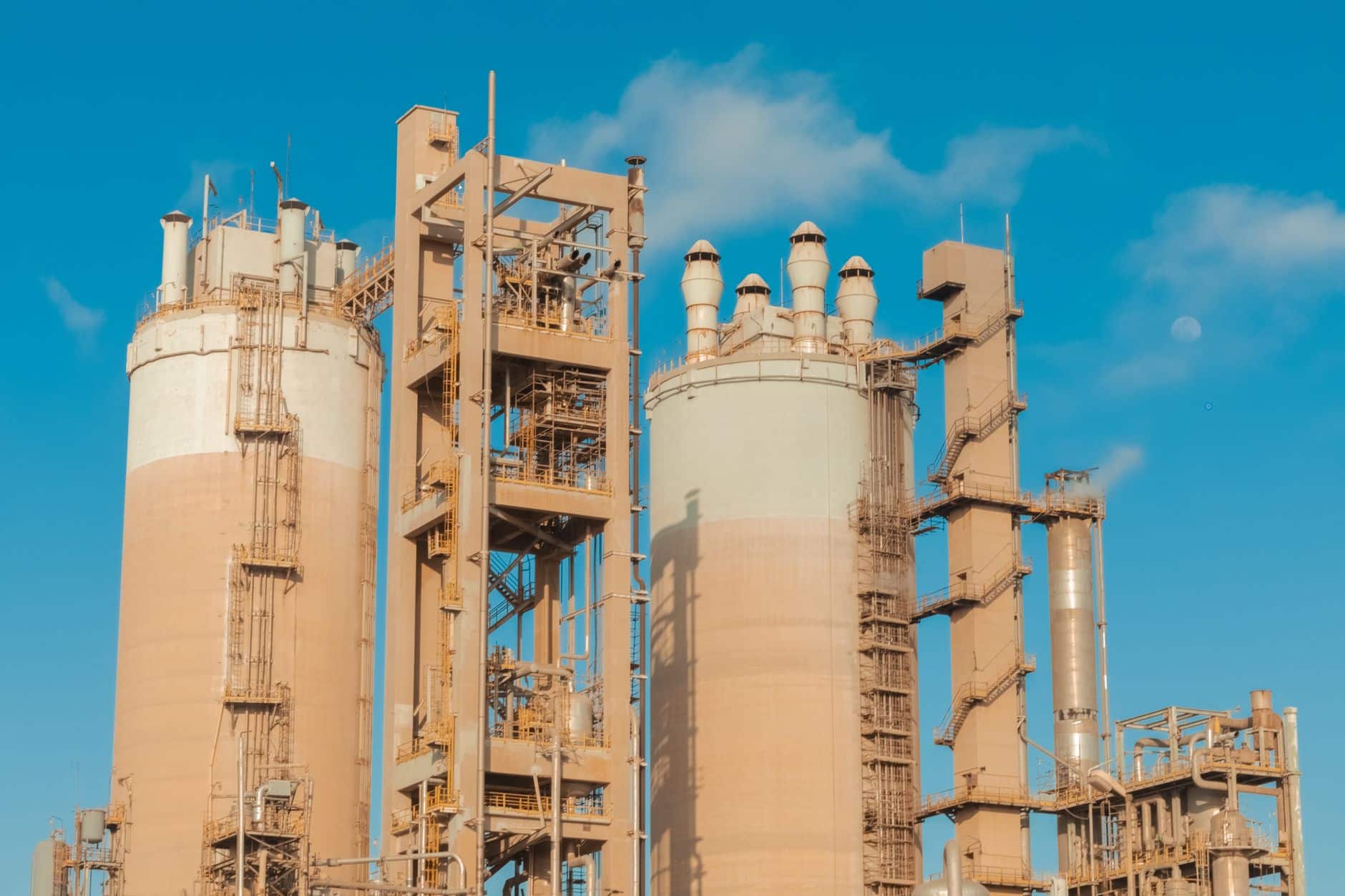
An explosion needs fuel, air and an ignition source. In an ATEX area the fuel and the air are already there, at least some of the time. The zone puts a label on how often. It does not describe the machine, the product or the building. It describes the air around them. Whether the source is flammable gas or combustible dust, the workshop counts as a hazardous area, and the ATEX directive logic applies to what you put in it.
Two European texts sit behind the word. Directive 1999/92/EC sets out how employers classify hazardous places into zones. Directive 2014/34/EU covers the equipment and protective systems intended for use in those places. You do not need to read either one to buy a cover, but you do need the zone plan that your safety officer built from the first.
A zone is a frequency, not a danger rating
An ATEX zone 1 area sounds worse than zone 2, and it is. Yet the number only records how often the atmosphere shows up in normal operation. A zone 2 area can still burn or explode. It simply gives you fewer occasions for it to happen, and that changes how much margin the fabric and its fixings must carry.
ATEX zone classification: the six zones in one table
Directive 1999/92/EC, Annex I, defines the zones by how often an explosive atmosphere occurs in normal operation. Directive 2014/34/EU, Annex I, describes equipment categories 1, 2 and 3 by the same yardstick of frequency. That is why each dust zone lines up with a gas zone, and why the table below reads in pairs. The equipment categories tell a manufacturer which level of protection a product must reach for the area where it will work.
| Zone | Substance | Explosive atmosphere is | Equipment category intended |
|---|---|---|---|
| 0 | Gas, vapour, mist | Present continuously, for long periods or frequently | Category 1 |
| 1 | Gas, vapour, mist | Likely to occur occasionally in normal operation | Category 2 |
| 2 | Gas, vapour, mist | Not likely in normal operation, and brief if it occurs | Category 3 |
| 20 | Combustible dust | Present continuously, for long periods or frequently | Category 1 |
| 21 | Combustible dust | Likely to occur occasionally in normal operation | Category 2 |
| 22 | Combustible dust | Not likely in normal operation, and brief if it occurs | Category 3 |
The directive words matter here. “Normal operation” means the installation runs within its design parameters. A leak, a jam or a broken seal falls outside that definition, so zoning does not remove the need for judgement. The same annex adds that layers, deposits and heaps of combustible dust count as sources that can form an explosive atmosphere. For a cover, that note is easy to miss and it matters a lot.
Hazardous area classification for zone 0 and zone 20 is the rarest and most demanding, and most workshops never meet it. This guide concentrates on zones 1, 2, 21 and 22, where most machines and equipment actually run. If your plan shows zone 0 or 20, tell us at the start, because the discussion changes.
Why a standard cover can become an ignition source
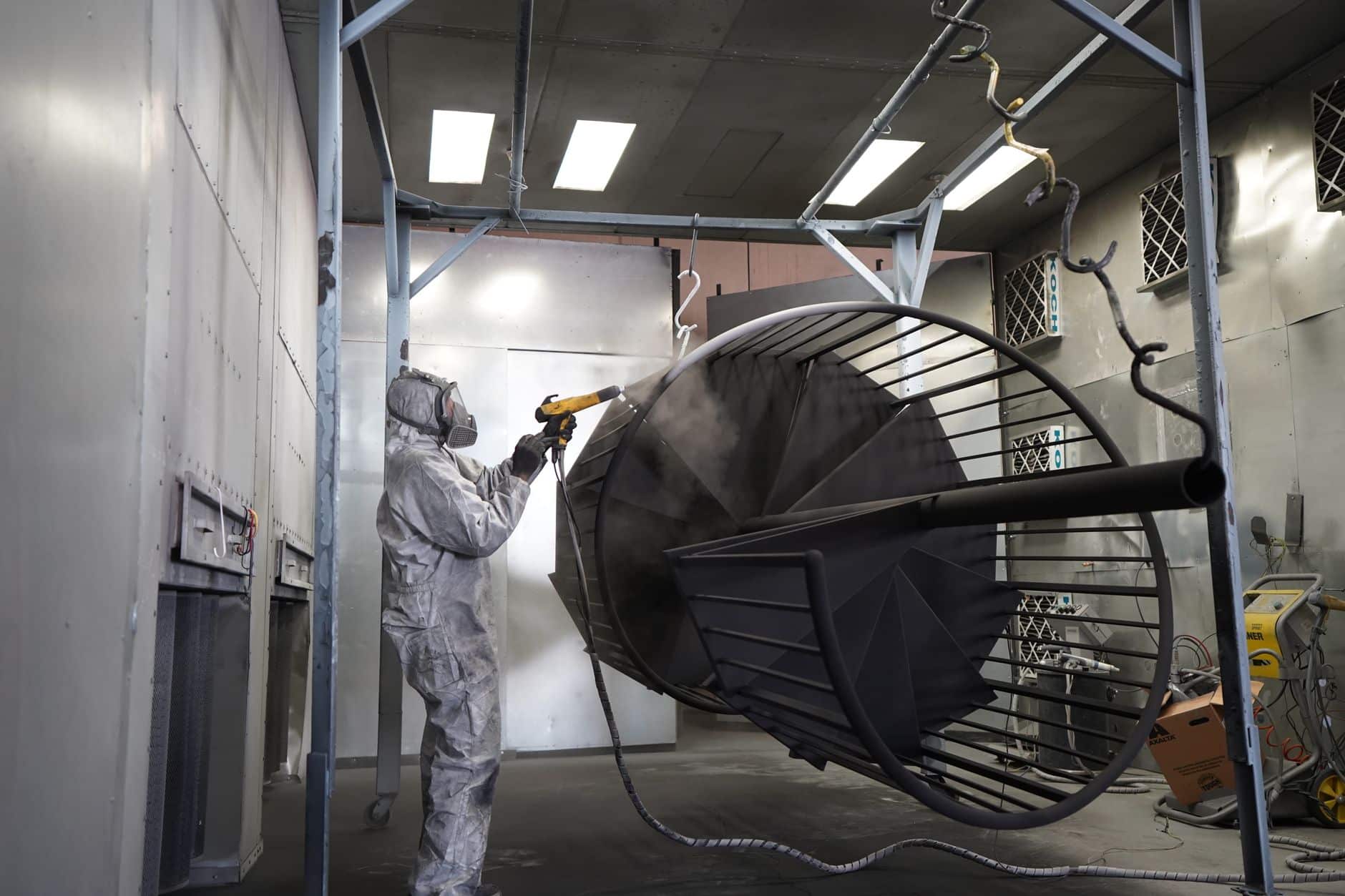
A cover is a large surface of fabric that moves, rubs and gets peeled off. Two insulating surfaces that separate build up electrical charge. Nobody notices it until a person touches a metal frame and feels a small spark. In a place where a gas or a dust cloud can reach the right concentration, that spark is enough.
The Health and Safety Executive gives a useful scale in its dust explosion guidance for the food industry. It states that the typical equivalent energy of a discharge from a plastic is typically 4 milli joules, and that the minimum ignition energy of flour is over 10 milli joules. So an insulating surface alone may not ignite flour dust.
The same page then shows where the danger starts. A stainless steel tool fitted to a plastic hose becomes an isolated conductor. It can store enough charge to make an incendive discharge, and the HSE tells readers to earth such metal parts. A cover with an isolated metal eyelet, a loose chain or a zip fastener that floats free follows the same logic. The fabric may be fine, and a single ungrounded part can undo it.
Why gas and solvent areas ask for more care
Some vapours ignite from far less energy than a flour cloud, so the margin shrinks. We do not quote a figure for each substance, because it depends on the exact product on your site. Your safety data sheets and your explosion protection document give the values that apply. The point for a buyer is simple: the more easily the atmosphere ignites, the less you can accept from an ordinary cover.
What the zone changes in the choice of fabric
The zone sets how much margin you want. In every ATEX area, the first requirement stays the same: the material must not let charge build up. On its page for robot protective materials, RCC lists the requirement for explosive atmospheres in two words: antistatic material and continuity of earthing. That is where any specification starts.
Antistatic fabric does not mean one particular cloth. It means a fabric whose surface lets charge drain away instead of holding it. Suppliers describe that behaviour with surface or volume resistance values, and your safety officer knows which value the plan calls for. RCC selects the materials according to the level of the ATEX zone in which the protected element operates, as stated on its page on covers for ATEX areas.
Then comes earthing. A conductive fabric that sits isolated from the frame still stores charge. Every conductive part of the cover needs a path to earth, and that path must survive the life of the cover, including folds, washes and repairs. Sewing, closures and fixings belong to the same question as the fabric. Ask for the whole assembly, not just the cloth.
ATEX zone 2 compared with zone 1: what changes for a cover
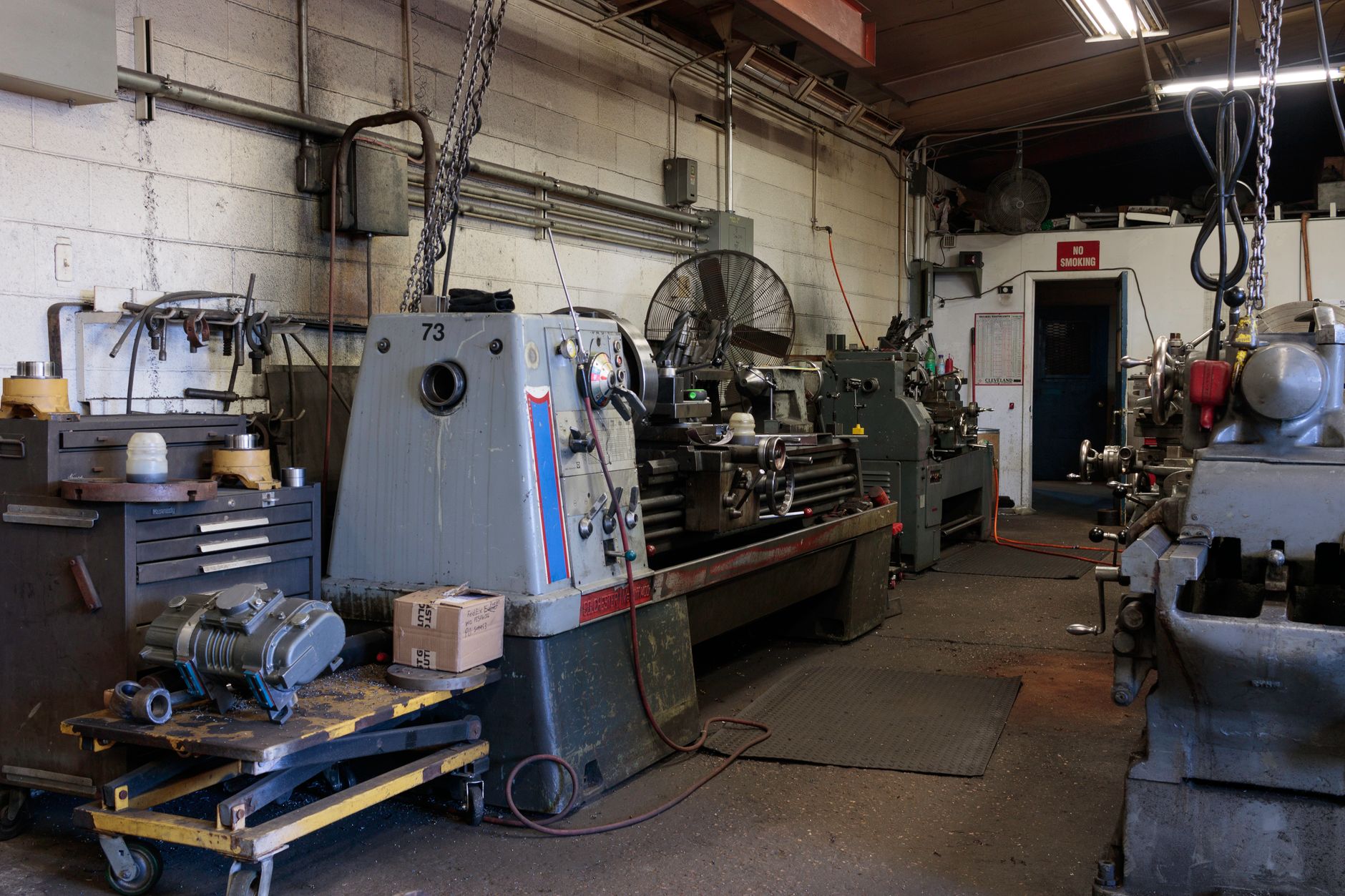
Buyers often ask whether atex zone 2 lets them relax. It lets you relax a little, and only where your plan is reliable. Zone 2 means the atmosphere is not likely in normal operation. It still needs antistatic material and clean earthing, because the day an atmosphere does appear is the day the cover matters.
In zone 1 the atmosphere shows up in normal operation. Any failure of the antistatic behaviour then meets a real chance of ignition. So the tolerance for wear, contamination and repairs gets tighter. You inspect more often, you replace earlier, and you document the earthing check.
Do not assume a cover that suits zone 2 also suits zone 1. Ask the same question for each zone on the plan, and tell the maker which zone each machine stands in. RCC does not offer one cover for every zone. The zone decides the materials.
Dust zones 21 and 22: the cover collects what it protects against
Gas leaves when the ventilation works. Dust stays. On a machine in zone 21 or 22, a cover slowly collects a layer of powder on its upper surfaces, in its folds and along its seams. The directive note on dust deposits applies to the cover itself.
That shapes the design. Smooth surfaces shed dust and clean quickly. Deep pleats and open pockets hold it. Horizontal ledges deserve attention, because a fine layer settles there first. A cover that traps powder needs a cleaning routine, and a cleaning routine needs a way to remove the cover without stirring up a cloud.
Cleaning brings its own static risk. Brushing or blowing a dry synthetic surface can create charge. Damp wiping is gentler on that point, provided the fabric tolerates it. Agree the cleaning method with your safety officer before you choose the fabric, not afterwards.
Three typical situations
The three scenarios below are generic examples. They show how the questions change from one site to another.
A chemical plant with solvent vapour
A filling station handles solvents and the area sits in zone 1 or 2. The cover must resist the solvent as well as prevent charge. So the buyer needs two answers from the maker: which fabric, and which coating, holds up against the substance on the data sheet. Earthing continuity across each opening is the second big question.
A paint area
Spraying creates mist and vapour. Overspray also lands on the cover. Paint residue on an antistatic fabric can insulate the surface and defeat the purpose. The cleaning plan and the replacement interval belong in the specification, not in an afterthought.
A dust-handling line
Milling, mixing, bagging or powder transfer puts dust in zone 21 or 22. The cover has to shed powder, open for cleaning and keep every conductive part grounded. Access panels get used often, so their fastenings decide whether the earthing survives a year of work.
When to ask for a made-to-measure cover
A catalogue cover fits a catalogue machine. Yours may carry pipework, sensors, drives, a control panel and a bolted-on tool. Each of those is a place where a loose fold rubs, a gap opens or an earthing link cannot reach. Made-to-measure covers follow the real shape, so the fabric does not flap against the frame.
The made-to-measure route pays off when three things come together: an ATEX zone on the plan, a machine with an awkward shape, and a need to open the cover often. Our guide to custom equipment covers for industrial machines explains the wider choices of fabric and construction. In an ATEX area, the zone adds one more constraint to each of them.
What to send before you ask for covers for ATEX environments
A good request saves a round of questions. Send:
- the zone plan with the zone for each machine;
- the substance in the air with its safety data sheet;
- photographs of the equipment with its main dimensions;
- how often the operators open the cover;
- how you clean it;
- what your explosion protection document says about documentation.
We read your plan, choose the materials according to the zone and tell you what we need to confirm. We do not decide your zoning for you, and we do not replace your risk assessment. Both stay with your site.
Our page on covers for ATEX areas gives the short version of the offer. To compare it with other environments, browse the range of protective covers by sector.
Working in an ATEX area?
Tell us the zone and the machine. Our design office selects materials according to the level of the zone.
See covers for ATEX areas →FAQ
The basics
ATEX zones classify places where an explosive atmosphere can occur. Zones 0, 1 and 2 apply to gas, vapour and mist. Zones 20, 21 and 22 apply to combustible dust. The number tells you how often the atmosphere is present in normal operation, from continuous (0 and 20) to unlikely and brief (2 and 22).
Directive 1999/92/EC bases it on the frequency and duration of an explosive atmosphere. Your employer or safety officer assesses the site, records the result in an explosion protection document and marks each place with its zone.
Atex zone 2 is a place where an explosive gas atmosphere is not likely in normal operation and, if it occurs, lasts only a short time. The dust equivalent is zone 22. The risk is lower than in zone 1, yet static charge on a cover still needs controlling.
Covers, fabric and static
A fabric surface can build up static charge when it rubs or separates from another surface. If the charge cannot drain to earth, a discharge may occur where a gas or dust atmosphere is present. Isolated metal parts on a cover raise the risk further.
Antistatic fabric is a material whose surface lets electrical charge drain away instead of holding it. Suppliers describe it with surface or volume resistance values. In an ATEX area it works together with continuous earthing of every conductive part.
Your site does. The employer or the safety officer classifies each place and records it in the explosion protection document. RCC works from that zone plan and selects the cover materials according to the level of the zone in which the equipment operates.
Specifying and ordering
Do not assume so. The zone decides the materials, and the margin you need tightens as the atmosphere becomes more frequent. Give the maker the zone for each machine and ask for the specification zone by zone.
Send the zone plan, the substance in the air with its safety data sheet, photographs and main dimensions of the equipment, how often operators open the cover and how you clean it. That is enough to start a specification.
No. Zoning and the risk assessment stay with your site. A cover made to measure for an ATEX area is one control among the others in your explosion protection document.
In Summary
An ATEX zone is a statement about frequency. It tells you how often gas or dust reaches an explosive level around your machine. Match the cover to that zone: antistatic fabric, continuous earthing, smooth surfaces where dust settles, and a specification that covers the whole assembly. Then send your zone plan with your request, because the zone decides the materials.
For the wider picture, read our guide to custom equipment covers for industrial machines and our technical glossary. For fabric properties, see our page on robot protective materials.
Ready to protect equipment in an ATEX area?
Send us your zone plan and a few photographs. Our design office prepares a made-to-measure cover, with a free assessment.
Request a free assessment →Browse the full range of protective covers by sector or see the cover programme on our home page.