In short. A protective sleeve is a textile tube or wrap. It shields a hose or cable from abrasion, spatter, fluids and snagging. Choosing one comes down to three decisions: fabric, closure and fit. The fabric has to match what the cell throws at it, and the closure...
In short. A fire sleeve slips over a hose or cable bundle and shields it from weld spatter and radiant heat. On a welding robot the sleeve has a harder job than on a fixed hose. The bundle bends and twists, and it sits a few centimetres from the arc. Damage usually...
In short. An ATEX zone tells you how often an explosive atmosphere is present where your machine stands. Zones 0, 1 and 2 cover gas, vapour and mist. Zones 20, 21 and 22 cover combustible dust. The zone decides what may sit on or near the equipment, and that includes...
In short. A conveyor cover has to protect a piece of equipment that is 20, 40 or 80 metres long, that people reach at dozens of points, and that often carries food. That is why it is built in sections, not as one shell. A good conveyor cover follows the full length of...
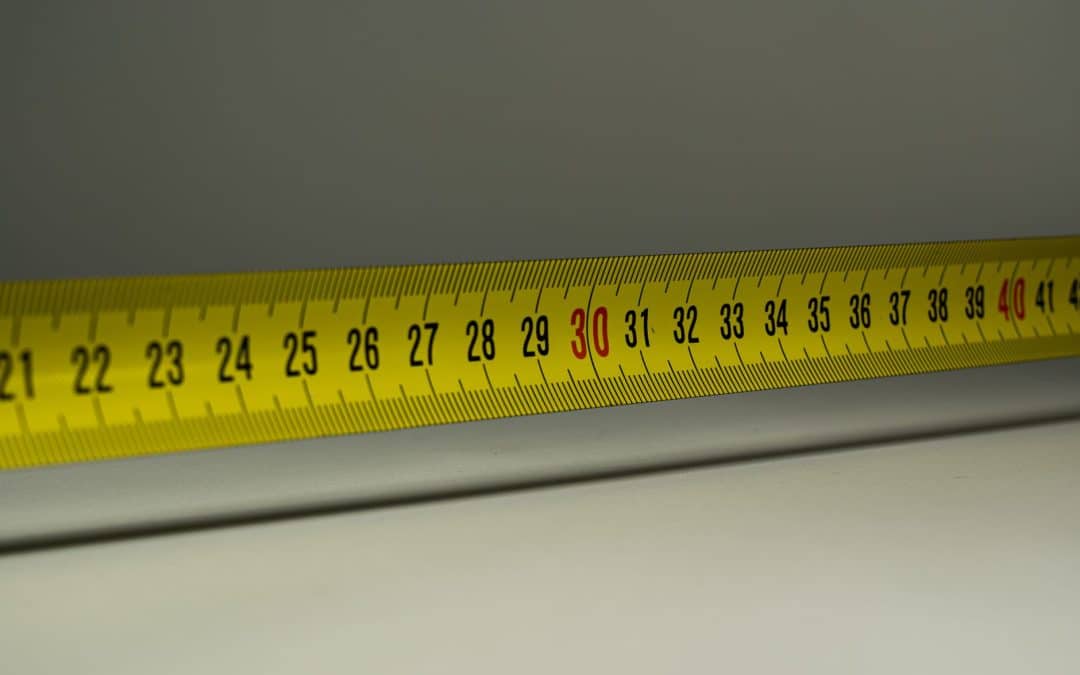
In short. A survey of the machine, not a model number or a catalogue size, makes an industrial machine cover fit correctly. Custom machine covers and equipment covers depend on six measurements. They start with the overall envelope, height at every raised point, and...
In short. Outdoor equipment covers protect industrial machines that sit outside a building envelope. That means installed on a yard, stored under a lean-to, or parked between shifts with no roof overhead. Three exposures do the damage, in order of speed. UV breaks...
In short. Custom equipment covers protect an industrial machine to its exact dimensions. Nobody pulls them from a size chart. The design starts with what attacks the machine: dust, chips, coolant, UV, corrosion. It then moves to a fabric family that resists that...
In short. Removable robot protective covers are covers built to come off, open or vent without a full strip-down. Four options carry most of the value: quick-release fastenings, ducting ports, inspection windows and sensor-transparent panels. Each one trades...
In summary: a protective cover has to match the kinematics of the robot, not only the environment it works in. SCARA robot protective covers concentrate on the exposed vertical Z axis, the one part the manufacturer leaves uncovered. Articulated six-axis arms need...
In summary: what the fabric is doing decides a robot cover replacement, not a date in a maintenance plan. Stiffening, pinholes, an opened seam, a thinned abrasion patch and closures that no longer hold are the five signs that protection has already been lost, whatever...
In summary: a robot arm cover only works if it is sized to the robot’s real range of motion and fitted so it never loads a joint. Getting that wrong is what produces the two classic failures: a cover so tight it fights the arm and tears at the elbow within...
In short: a robot dress pack is the bundle of cables, hoses and pneumatic lines that runs along a robot arm and feeds the tool. The cable sheath, the protective sleeve over that bundle, wears first at the joints, where the wrist axes twist, fold and rub against the...
In summary: industrial robot jackets and bellows are two different components of the same protection assembly. A jacket is a full cover placed over an arm segment, or over the whole machine, against a process hazard. A bellows is a folded element that absorbs the...
In automotive paint facilities, industrial robots operate under constant exposure to overspray, chemical projections and solvent mist. Without adequate protection, this environment accelerates equipment degradation. Protective covers for industrial robots are not an...
Robots in foundry environments operate under some of the most demanding conditions in industrial manufacturing. High temperatures, airborne particles, coolants, metal spits and abrasive sand continuously stress every joint, flange and cable. Without adequate...
Robots handle a wide range of tasks across the food and beverage industry — from pick-and-place operations on production lines to packaging and palletizing. Protecting that automation investment is critical. In food processing, the environment adds constraints that...
The automotive industry runs on continuity. When a robot arm stops, so does the line. In manufacturing environments combining heat, dust and chemical projections, industrial robots face constant strain. A robot cover is the first line of defence — protective robot...
In summary: Industry studies indicate robot downtime costs manufacturers between $22,000 and $260,000 per hour, depending on sector and production scale. Protective covers can prevent 60-70% of environmental failures in robotic systems by shielding critical components...
In summary: The term “OLPR robot suit” refers to protective covers designed to shield industrial robots from harsh manufacturing environments. Robot suits safeguard automated equipment from heat, dust, chemical exposure, and abrasive particles that cause...
📋 In summary Industrial robots exposed to welding environments face constant threats from extreme heat, molten spatter, and airborne particulates. Without adequate protective covers, these hazards cause premature equipment failure and costly downtime. Custom-fitted...
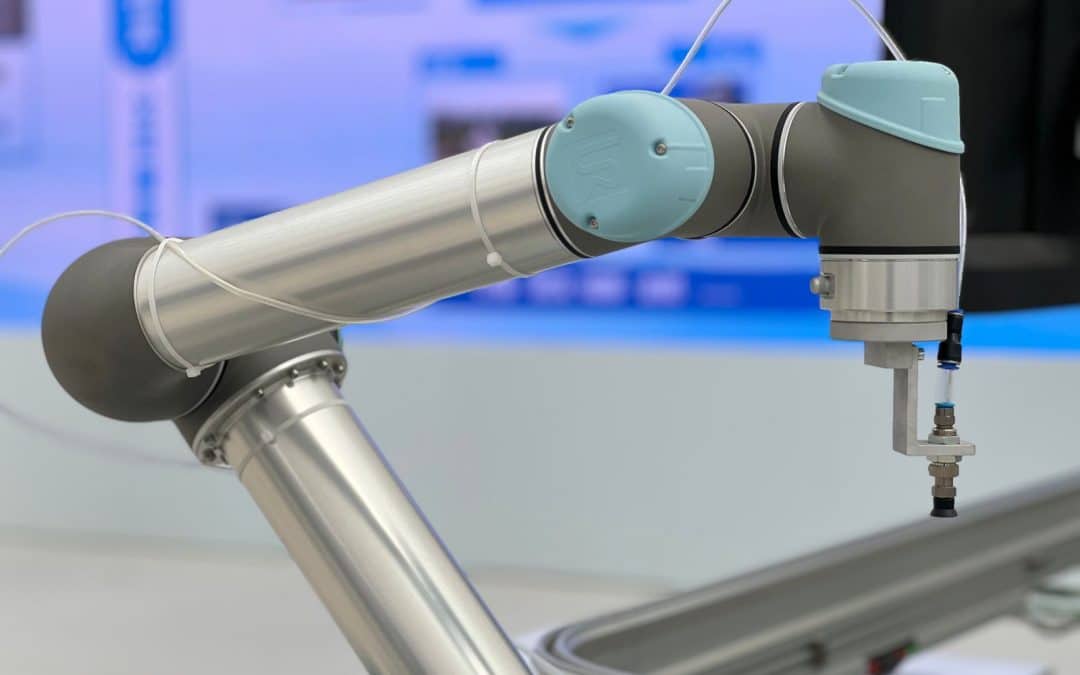
In summary: robot protective covers keep heat, spatter, dust, chemicals and moisture out of the joints, seals and cabling of an industrial robot without restricting the motion the program needs. The material follows the dominant stress of the cell, the construction...





Recent Comments