
In short. Custom equipment covers protect an industrial machine to its exact dimensions. Nobody pulls them from a size chart. The design starts with what attacks the machine: dust, chips, coolant, UV, corrosion. It then moves to a fabric family that resists that threat. Finally, it ends with a pattern taken from the machine itself, not a catalogue tarp. RCC has manufactured custom covers in Toul, France, since 1998. Our units serve customers across Europe, Israel and Brazil. A machine often stands idle between shifts, while others sit outside a building envelope. Either way, fit decides whether the cover earns its cost.
Table of Contents
What actually attacks an unprotected machine
A machine left bare does not fail all at once. Instead, it fails point by point. A slideway catches dust and starts to score. A control cabinet fills with fine particulate and a connector corrodes. Overnight condensation rusts a painted frame wherever it collects. None of it shows on the first inspection. All of it shows on the maintenance log six months later.
Five sources of damage explain most of what a machine sees on a shop floor or in a yard.
The five sources of damage on an unprotected machine
Dust and airborne particulate. Fine abrasive dust works into bearings, sensors and electrical enclosures. This damage stays invisible, but it accumulates. It remains the most common reason buyers specify a machine cover in the first place.
Chips, swarf and coolant mist. Machining and cutting throw hot chips and pressurised coolant well past the work envelope. A cover in the splash zone needs a fabric that resists heat and fluid together, not just one of the two.
Weather and UV. A machine stored or installed outside a building envelope takes rain, condensation and direct sun. UV, for instance, degrades most standard fabrics within a season. Meanwhile, rain finds every seam that nobody sealed for it.
Corrosion. Humidity, washdown chemicals and coastal air attack bare metal fast. Indeed, a machine idle over a weekend in a humid plant can show surface rust by Monday.
Impact and abrasion. Forklift traffic, dropped tools and adjacent handling all mark an unprotected frame. A cover absorbs the scuff that would otherwise reach paint and housing.
Each threat is manageable on its own. However, a cover that does not match the machine’s actual geometry and environment manages none of them.
Catalogue covers versus covers built to your dimensions
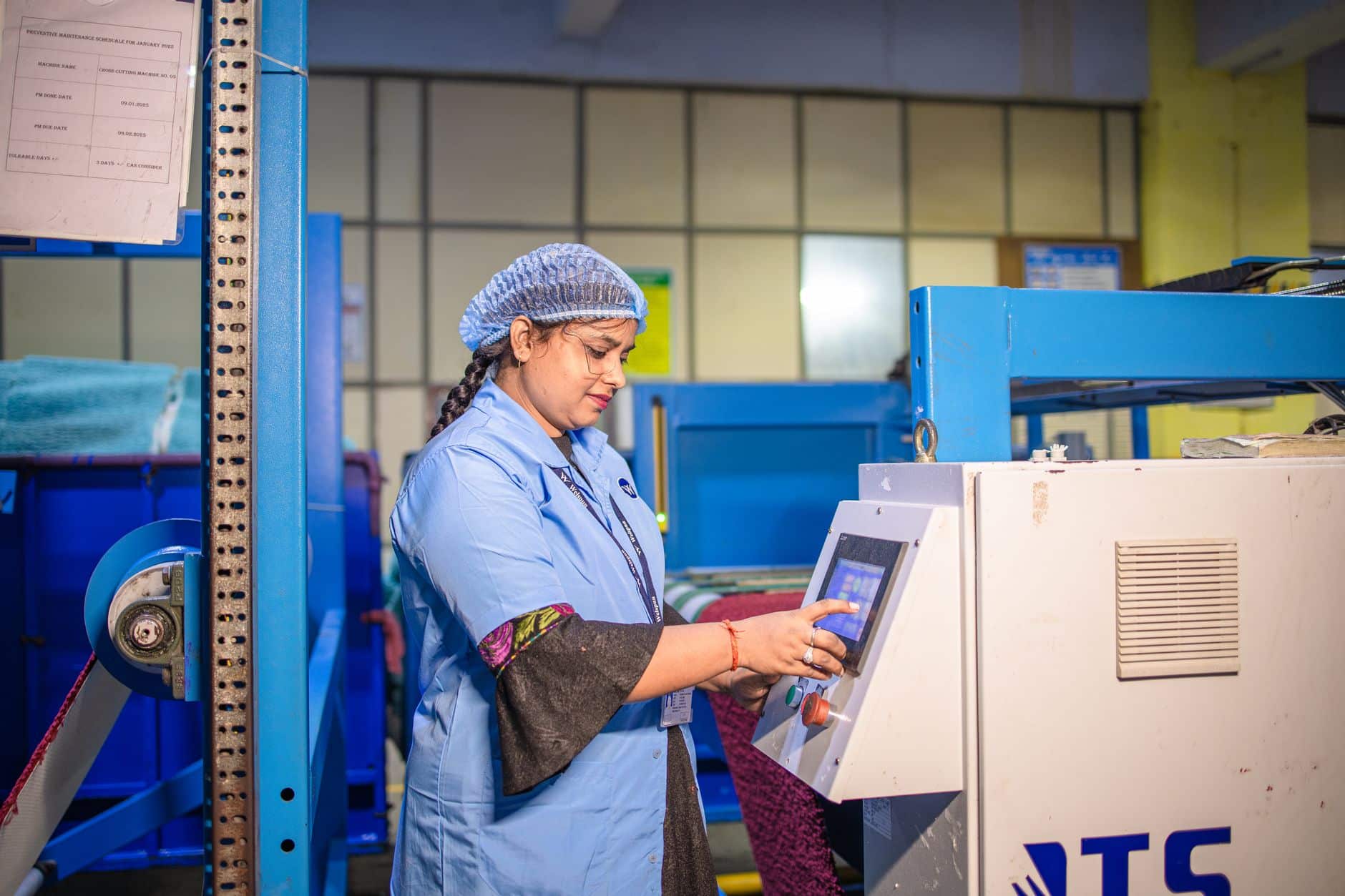
A catalogue cover comes in ranges: small, medium, large, or a set of standard rectangles. It fits a family of machines approximately. It therefore fits your machine only by chance.
Approximate fit costs more than it looks. Excess fabric flaps in the wind and wears through at the fold within a season. A cover cut too tight will not clear a control panel, a coolant line or a lifting point. An operator then leaves it half off. As a result, a half-fitted cover protects nothing.
Custom equipment covers start from the machine, not from a size chart. Instead, we measure the machine as it actually sits. We record height at every point, width at the widest fixture, and the position of every panel, cable gland and lifting eye. The pattern comes from that survey, not from a standard silhouette.
What changes in practice
Three differences show up the first week a machine wears a made-to-measure cover. Access panels stay where the maintenance team expects them, because a real survey placed them there. Seams also sit away from pinch points and moving parts. The cover does not tear itself against the machine it protects. It goes on and comes off in the time it takes to unclip a fastening, not wrestle a tarp.
Side by side: catalogue cover against a cover made to your dimensions
| Criterion | Off-the-shelf tarp | Cover made to your dimensions |
|---|---|---|
| Fit | Approximate, sized by range | Surveyed on the actual machine |
| Access panels | Fixed, may not align with your panels | Placed where your team actually works |
| Seams under load points | Generic layout, can chafe | Routed away from moving and lifting points |
| Fabric selection | One fabric for every use case | Matched to the dominant threat on your machine |
| Replacement | Re-shop and re-check fit each time | Pattern kept on file, repeat orders match exactly |
Of course, none of this is a claim that off-the-shelf covers are worthless. For a machine indoors, rarely touched and facing no aggressive environment, a catalogue cover can be enough. The comparison matters once a machine sits outside, gets serviced often, or carries a control cabinet or fixture that a generic shape does not clear.
Stuck between a catalogue tarp and a full redesign?
Ask for a dimension survey →Fabric families, and what each one is built to resist
No single fabric handles every source of damage on an industrial machine. Specifying custom equipment covers means matching the fabric family to the dominant threat, then treating the rest as secondary constraints. Vinyl-coated fabrics cover general weathering; heavy-duty reinforced fabrics cover impact and traffic.
| Fabric family | Resists best | Weak point | Typical use |
|---|---|---|---|
| Coated polyester (PVC / vinyl) | Rain, UV, general weathering | Loses flexibility in sustained cold | Outdoor or unheated storage |
| Heavy acrylic-coated canvas | UV and long outdoor exposure | Heavier, slower to dry after rain | Machines parked outside for months |
| Silicone-coated glass fabric | High and sustained heat | Higher cost, needs careful seam work | Near ovens, furnaces, hot process lines |
| Chemical-resistant coated textile | Solvents, coolant, washdown chemicals | Narrower resistance to specific chemistries | Machining centres, chemical process areas |
| Reinforced heavy-duty fabric | Impact, scuffing, foot and forklift traffic | Adds weight and stiffness | High-traffic bays, handling zones |
Most machines need a primary fabric plus a reinforced zone where impact or chemical exposure concentrates, at the base or wherever an operator brushes past. We select the base fabric against the dominant threat, then reinforce the zones a general-purpose fabric would not survive on its own.
Note that a machine cover is not specified the same way as a robot cover. A robot cover follows a moving arm through its full range of motion, which changes the seam and flex requirements entirely.
What a badly protected machine actually costs
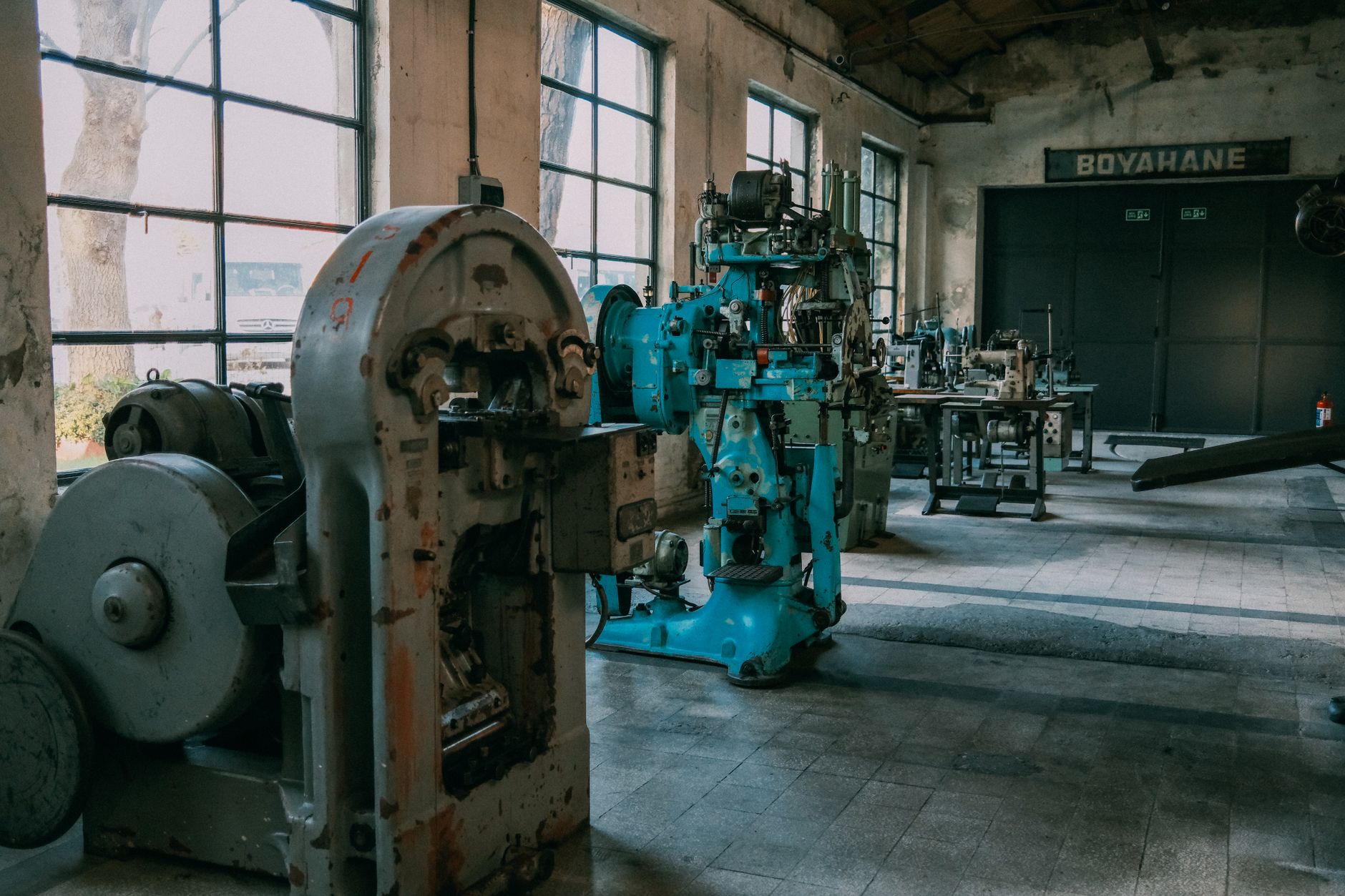
The cost of a bad cover rarely shows up on the cover itself. It shows up on the machine, weeks or months later.
At an automotive parts subcontractor running CNC machining centres, an ill-fitting catalogue cover let coolant mist settle on an exposed control cabinet over a long weekend. The resulting corrosion on the connectors caused two unplanned stops before the fault was traced. After a custom-fitted cover sealed the cabinet zone specifically, unplanned electrical stops on that line dropped by roughly 60% over the following six months.
At a metal fabrication shop running equipment outdoors between contracts, a standard tarp shed water onto a slideway through a seam that was never sealed for the machine’s actual profile. The resulting corrosion cost a full slideway regrind. A custom cover with a sealed, machine-specific pattern has kept the replacement machine free of comparable damage for over a year of the same outdoor storage routine.
Neither cost was the price of a cover. Both were the price of a cover that did not match the machine. The gap between a catalogue tarp and a machine-specific pattern is usually a few hundred euros. The gap between a corroded slideway and one that is not is measured in machine downtime and a regrind invoice.
The scale is documented. The IMPACT study published by AMPP (formerly NACE International) estimates the global cost of corrosion at about 2.5 trillion US dollars a year, or 3.4% of world GDP, and puts 15 to 35% of that cost as avoidable with existing prevention practices. A cover that keeps coolant, condensation and washdown off bare metal is one of the cheapest of those practices.
How to specify a cover for your machine
Four inputs decide the specification, and they matter more than the fabric choice itself.
Full dimensions, not just footprint. Height at every raised point, width at the widest fixture, and the position of anything that protrudes: a control arm, a tool changer, a lifting eye.
What has to open, and how often. A machine touched daily needs quick-release panels over the points that get touched. A machine covered for weeks between uses needs a sealed pattern with no unnecessary openings.
The dominant environmental threat. Dust, coolant, weather or corrosion each point to a different base fabric, from the table above.
How the machine is handled while covered. A machine that gets moved, craned or loaded onto a truck while under cover needs reinforced lifting-point cut-outs and a fastening system that survives repeated handling, not just repeated weather.
Send those four inputs, with the machine make and model, and the pattern comes from a real survey rather than a guess. That survey is what separates a cover that lasts years from a cover that gets replaced every season.
Machines that stand outside a building envelope
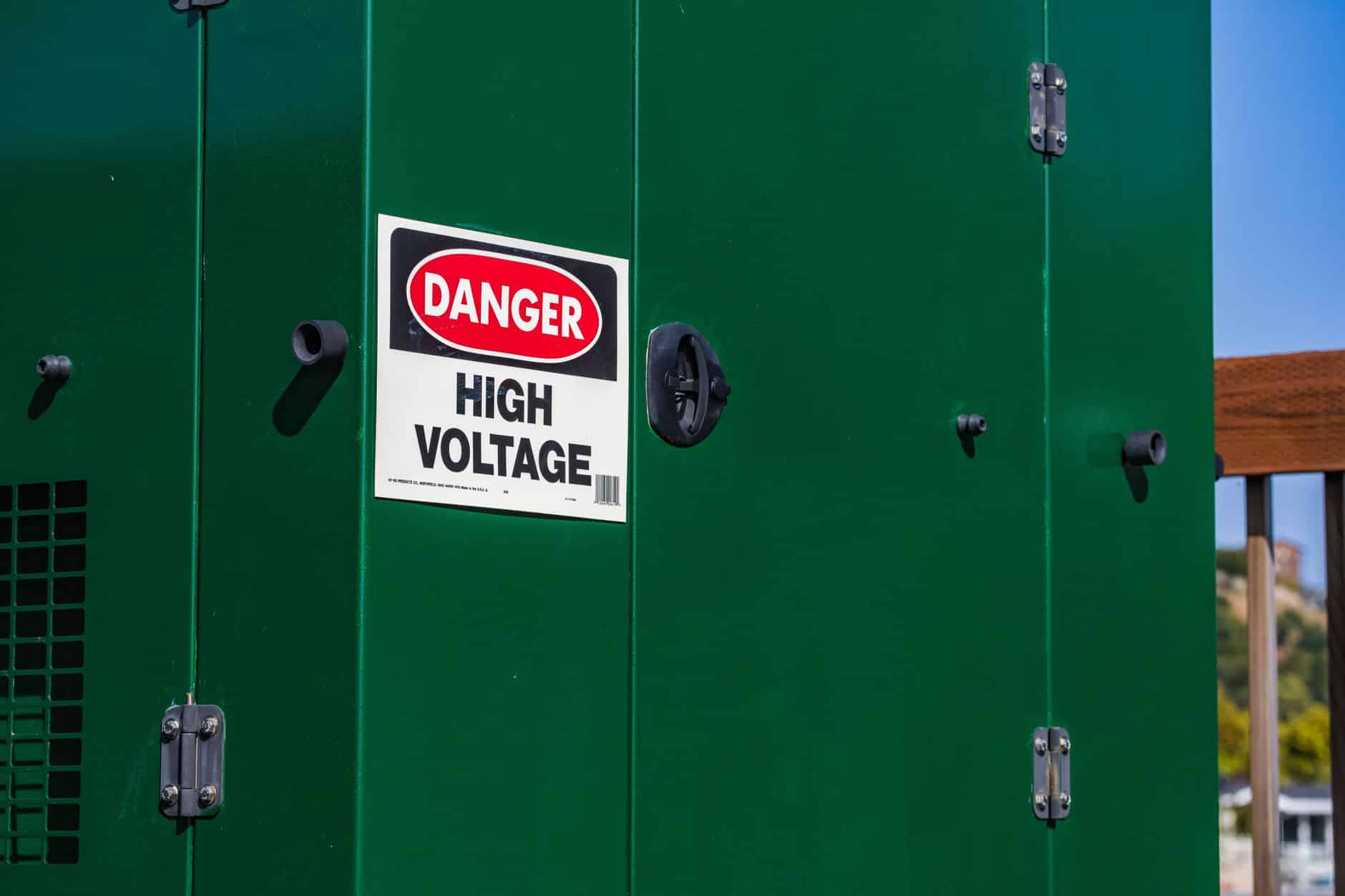
A machine inside a workshop and a machine parked in a yard are not the same specification problem, even if the model is identical.
Machines installed outdoors, stored under a light shelter between contracts, or shipped and left crated on site face rain, UV and condensation on top of everything a machine indoors deals with. A cover for that setting needs sealed seams, a fabric rated for sustained UV exposure and enough ventilation to stop condensation from forming underneath the cover itself, which can do more damage than the weather it was meant to keep out.
We cover this case in full, including seam sealing, ventilation and the fabric families that hold up over a season outdoors, in our guide to outdoor equipment covers.
One machine, one pattern, built around it
Send us the make, model and where it sits, and we come back with a fabric and a fit specified for that exact machine, not the nearest catalogue size.
See our protection range →Compatibility and lead time
Custom equipment covers only earn their cost if a machine still fits the pattern on the next order. Quality manufacturing keeps that promise. A manufacturer that keeps the pattern on file makes a repeat order predictable. A reseller that re-measures from scratch, however, does not. We manufacture in Toul, France, and keep the pattern of every machine cover we deliver, so a replacement matches the original exactly, panel for panel. See how RCC protects industrial equipment across sectors before requesting a survey.
That also means a cover can follow a machine as its fixtures change. Adding a new sensor bracket or a fixture next year is a pattern update against the file we already hold, not a full re-survey.
Closure and fastening names vary from one manufacturer to the next. Our technical glossary defines the ones used here.
FAQ
Fit, fabric and design
Custom equipment covers are cut to the exact dimensions of a specific industrial machine. A real survey records its height, width, fixtures and access panels, so nobody picks the pattern from a standard size range.
A catalogue cover comes in ranges and fits a family of machines approximately. A custom cover follows the actual machine, so access panels, seams and cut-outs line up with the real fixtures instead of a generic silhouette.
It depends on the dominant threat. Coated polyester suits general outdoor weathering, heavy acrylic canvas suits long-term outdoor exposure, silicone-coated glass fabric suits sustained heat, and chemical-resistant textiles suit coolant and solvent exposure.
Most do. A primary fabric handles the dominant threat across the whole cover, and a reinforced zone is added wherever impact, chemical splash or foot traffic concentrates, typically at the base of the machine.
Ordering and specifying a cover
Full dimensions of the machine, which panels or points need to open and how often, the dominant environmental threat it faces, and how the team handles the machine while covered, such as craning it or loading it for transport.
Yes, provided the manufacturer keeps the pattern on file. Working with a manufacturer rather than a reseller means a replacement cover matches the original panel for panel, without a new survey.
Yes. We place access panels exactly where a maintenance team needs to reach a connector, a grease point or a control cabinet, so the rest of the machine stays covered while the team services that point.
Lifespan and use cases
With a fabric rated for sustained UV and sealed seams, a well-specified outdoor cover typically protects a machine for several years. An undersized or approximately fitted cover often fails at the seams within a single season.
Often not. A catalogue cover can be enough for a machine that is indoors, rarely touched and not exposed to an aggressive environment. The case for a custom pattern strengthens once the machine sits outside, is serviced often, or carries fixtures a generic shape does not clear.
A stationary or semi-mobile machine keeps a fixed geometry, so a cover only needs one pattern. A robot cover has to follow a moving arm through its full range of motion, which changes the seam, flex and fastening requirements entirely.
In Summary
Overall, custom equipment covers succeed or fail on fit, not on fabric alone. A machine-specific pattern keeps access panels where your team works, keeps seams off pinch and lifting points, and matches the fabric to the threat that actually dominates on that machine: dust, coolant, weather or corrosion. A catalogue cover can hold up on a machine that is indoors, rarely touched and low-risk. Everything else, especially a machine that stands outside a building envelope, earns back the cost of a cover built to its exact dimensions.
Send us the make, model, environment and access needs of the machine you want to protect. We then come back with a fabric and a fit specified for it, at no cost.
If the equipment you need to protect is a robot rather than a stationary machine, the specification follows a different logic, built around motion. Our guide to robot protective materials covers that case.
What does a cover built to your machine cost?
Tell us the machine, the environment and how it gets serviced. We size the cover around it, free of charge.
Request a free assessment →Reviewed by René Domingues, founder of Robotic Cover Concept – a French manufacturer of custom robot protection covers since 1998, based in Toul, France, with units protected across Europe, Israel and Brazil.