
In short. Outdoor equipment covers protect industrial machines that sit outside a building envelope. That means installed on a yard, stored under a lean-to, or parked between shifts with no roof overhead. Three exposures do the damage, in order of speed. UV breaks down standard fabric within a season. Rain and condensation reach seals a tarp never sees. The resulting moisture then starts corrosion on metal components long before anyone notices. RCC has manufactured custom covers in Toul, France, since 1998, with units in service across Europe, Israel and Brazil. A cover built for a warehouse floor does not suit a yard. Treating the two the same is what shortens a machine’s working life outdoors. Waterproof equipment covers and heavy equipment covers are often sold as the same product; the outdoor and weatherproof case is what tells them apart.
Table of Contents
Why a roof is not a given for industrial machines
Most cover specifications assume a building. The machine sits under a roof, in a conditioned or at least dry hall. There, the cover only has to manage dust, chips and the occasional splash. That assumption fails constantly in practice.
Yards, loading docks, temporary sites and expansion areas put equipment outside on purpose. A compressor skid feeding a workshop, or a generator backing up a line. A CNC gantry waiting for a building extension to finish, or a press stored between contracts: all of it sits in the weather. The alternative is an empty building slot that costs more than a cover.
A lean-to or an open-sided shed helps but does not solve the problem. Wind-driven rain still reaches equipment under a three-sided structure. A shed roof does nothing against UV bouncing off pale concrete, or against the temperature swing that drives condensation. The cover still has to do the real work.
Outdoor exposure is a spec question, not a fabric question alone
Buyers usually start by asking for a “waterproof” cover, as if one property solved outdoor exposure. It does not. A cover that keeps rain out but traps humidity inside causes more corrosion than no cover at all. The specification has to answer three separate questions. What keeps water out. What lets moisture escape. And what survives the sun long enough to still be doing both a year from now.
Sun, rain and condensation: what outdoor exposure actually does
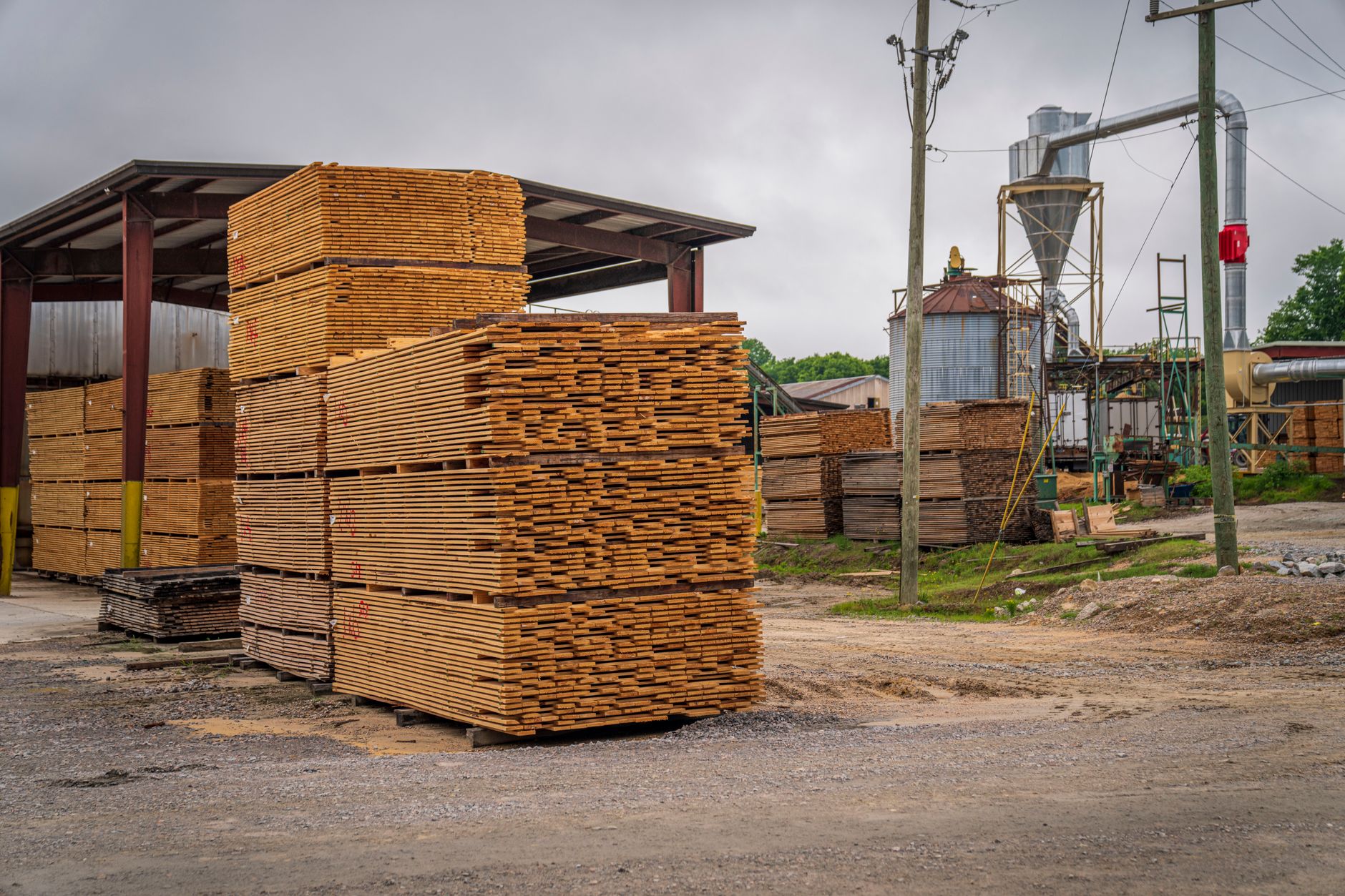
UV is the fastest failure mode. Standard PVC and untreated polyester tarpaulin lose flexibility and tensile strength within months of full sun exposure. They then crack along fold lines, exactly where the cover flexes to come on and off. A cover that looked fine in the warehouse test often fails outdoors before the first winter.
Rain ingress rarely happens through the fabric itself on a properly specified cover. It happens at the seams, at the closures, and at any point where the cover has to follow an irregular shape. A control cabinet, a hose reel, a lifting eye: those are the usual weak points. Standard catalogue covers are cut for a generic silhouette and gap exactly there. A weak seal at any of those points, not the fabric itself, is what lets water through.
Condensation is the exposure nobody specifies against, and it does the most damage over time. A machine that heats during the day and cools at night pulls moist air in and out of any sealed enclosure. Trapped under an impermeable cover, that moisture has nowhere to go, and it sits on bare metal until it finds rust.
Why condensation beats rain as a failure cause
Rain is intermittent and visible. Condensation is constant and invisible until a cover comes off for maintenance. That is when the operator finds a machine bed coated in surface rust that formed under the cover, not despite it. A cover with no vapour management turns into a small greenhouse for corrosion, especially across a day and night temperature swing typical of a yard installation.
Choosing a fabric built for outdoor exposure
An outdoor cover needs three properties at once. Standard fabrics usually deliver one or two, not three. UV-stabilised coatings resist the sun over years rather than months. Breathable laminates keep liquid water out while letting water vapour escape, which is what actually stops condensation build-up. Reinforced seams and closures hold the waterproofing where a generic cut would leave a gap, and a heavy-duty 600D-grade base fabric adds the durability a rugged outdoor site demands.
None of that requires exotic materials. It requires choosing the right combination for the exposure the machine actually faces. Then it means cutting the pattern to the machine, instead of forcing the machine into a generic shape. A catalogue cover picks one fabric for every use case. A cover built to measure lets the fabric match the exposure. Heavier UV stabilisation suits a south-facing installation. More breathability suits wide day and night temperature swings. Reinforced abrasion resistance suits a site where wind moves the cover against a frame, to ensure the machinery underneath stays dry through every season.
A machine parked outside deserves a cover built for outside
Tell us where the machine sits, how exposed it is, and how long it stays there. We size the fabric, the venting and the fit around that, not around a catalogue shape.
Discuss your installation →Sheltered storage versus fully exposed installation
Not every outdoor machine faces the same weather. A press stored under a lean-to for six weeks between contracts, and a compressor skid bolted to a yard slab year-round, need different covers. Both sit outside a building, but the resemblance stops there.
Fully exposed installation means direct sun, direct rain and full wind load, every day, for the life of the machine. The cover has to carry structural expectations most people reserve for outdoor furniture or vehicle covers. Tie-downs that hold in wind, a hem that does not lift, and a fabric rated for continuous UV rather than occasional exposure: that is the baseline.
Sheltered storage under an open-sided structure faces intermittent exposure at lower intensity, but for longer stretches without anyone checking on the machine. The priority shifts from wind resistance to breathability. A machine left alone for weeks with a sealed cover is exactly the condensation scenario described above, with nobody around to notice until the cover comes off.
Duration changes the specification as much as exposure does
A cover fitted for a two-week weather event and a cover fitted for permanent outdoor duty are not the same product, even on the same machine. Short-duration covers can trade some durability for speed of fitting instead. Permanent outdoor covers need the reinforcement and the fixing points to survive fitting and removal cycles for years, not weeks.
Corrosion and metal components: the slow failure mode
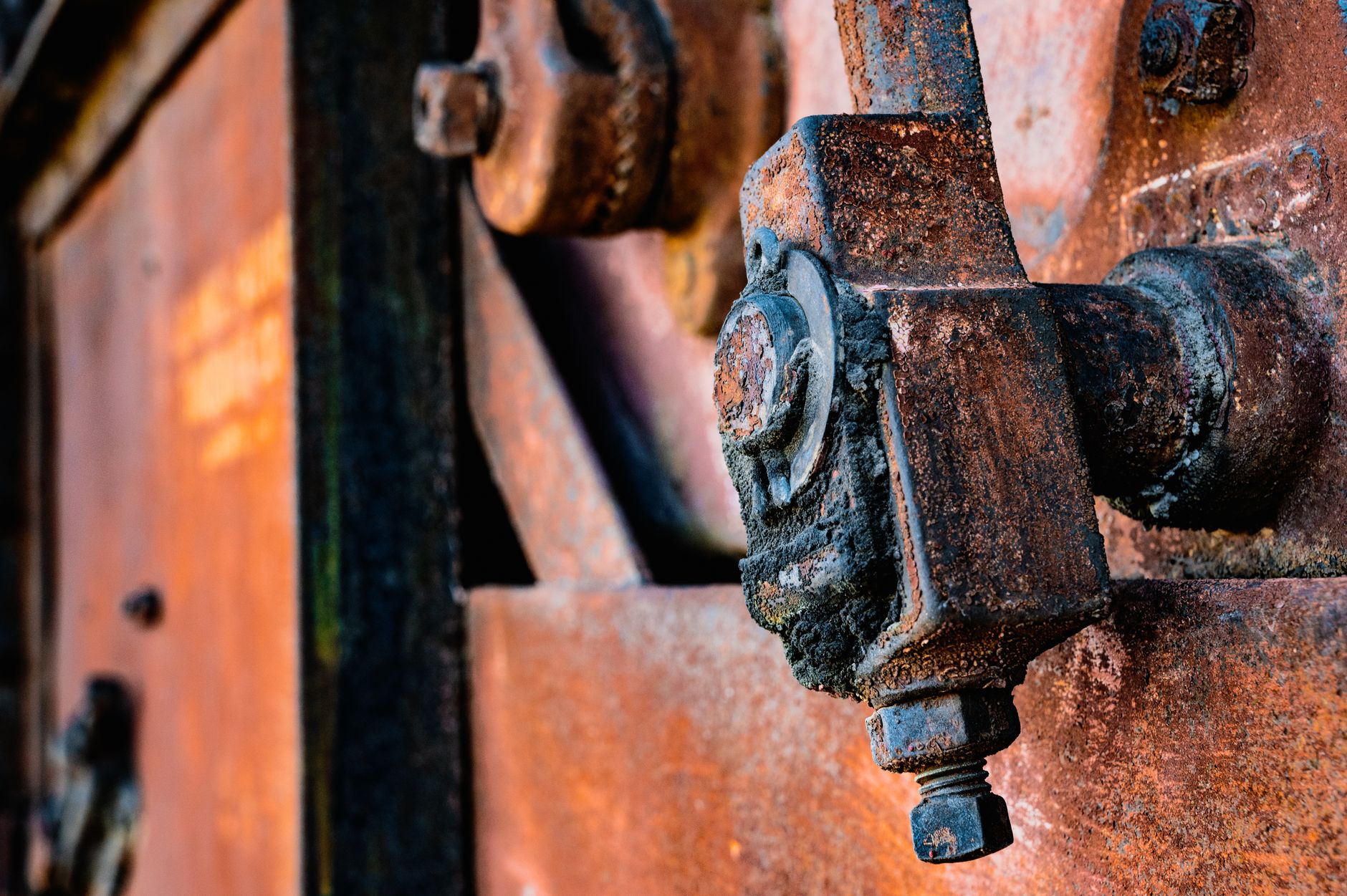
Corrosion rarely shows up as a single event. It shows up as a slide: a slideway that used to move freely starts to bind, a fastener that used to turn easily seizes, and a control cabinet door starts to stick on its hinge. By the time any of that is visible, the metal has already lost material.
The scale of the problem is not a workshop guess. AMPP, the corrosion body formed from the NACE International and SSPC merger, tracks the numbers. Its estimate puts the global annual cost of corrosion at roughly 2.5 trillion US dollars, close to 3.4% of world GDP. A large share of that is judged avoidable through better prevention. An outdoor machine with no cover, or a cover that traps moisture instead of shedding it, sits squarely inside that avoidable share.
A cover cannot stop corrosion that is already underway once a machine has weathered uncovered for a season. It changes the trajectory, however, from the day it goes on. Keeping bulk rain off the housing, keeping the ground-level splash zone covered, and letting trapped moisture vent rather than pool are the three things a cover controls directly.
Standard covering versus a cover built for the exposure
| Need | Generic tarp or catalogue cover | Cover built for the exposure |
|---|---|---|
| UV resistance | Months before cracking, especially at folds | Coating and grade matched to sun exposure, rated in years |
| Rain at seams and openings | Generic cut leaves gaps around cabinets, reels, fittings | Pattern cut to the machine, seams sealed at every irregular point |
| Condensation control | Sealed fabric traps moisture against the machine | Breathable zones vent vapour where it forms |
| Wind on an exposed site | Loose fit lifts, flaps, and works fasteners loose | Fitted tie-downs and hem sized to the installation |
| Fit over time | One shape for every machine of similar size | Pattern kept on file, replacement matches exactly |
What this looks like on real machines
A compressor skid left uncovered on a yard
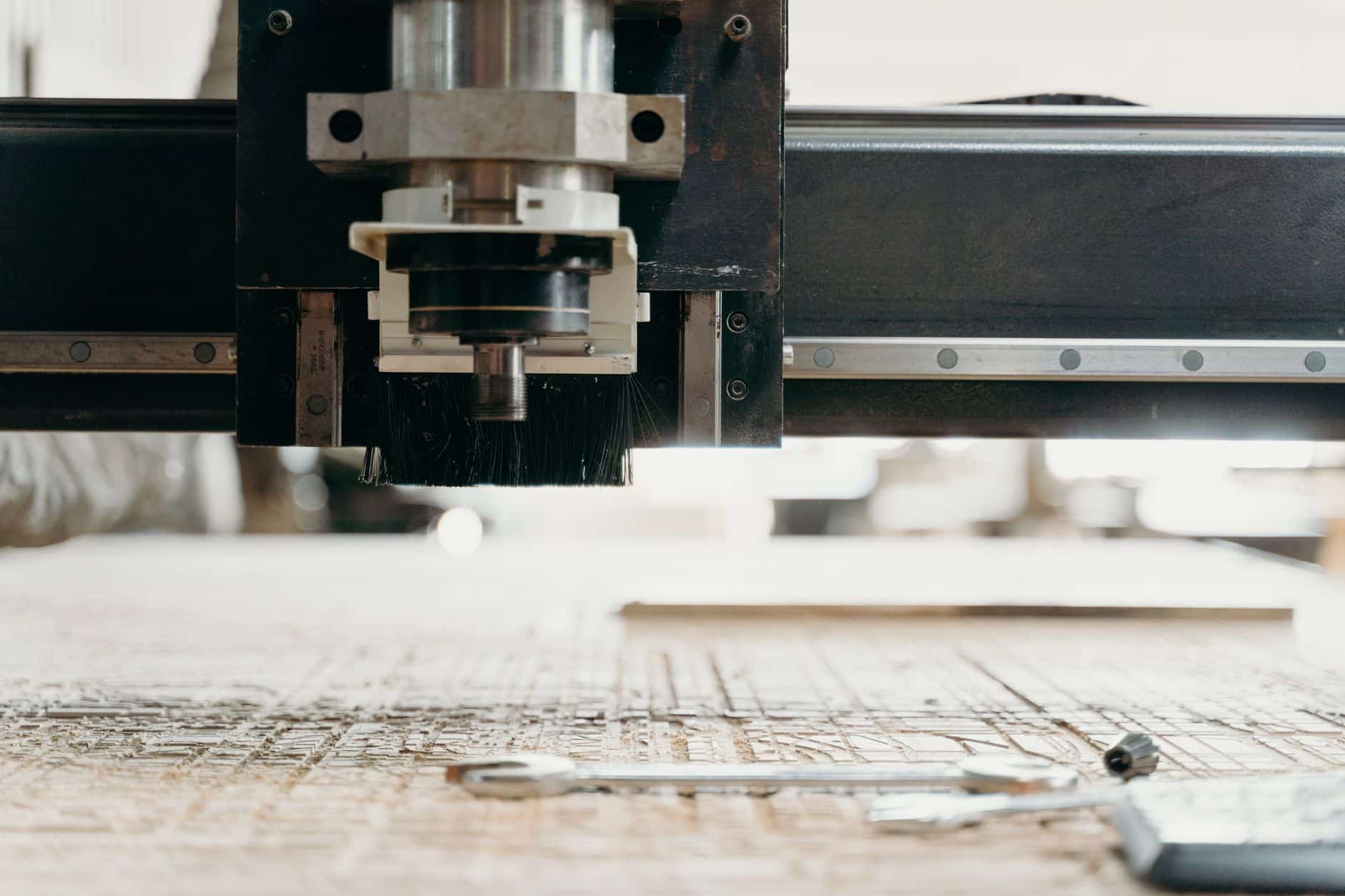
An industrial gas customer ran a compressor skid on an outdoor concrete pad, covered only during forecast rain. After eighteen months, the control cabinet hinges had seized. The frame showed surface corrosion along every horizontal ledge where water had pooled. We fitted a permanent breathable outdoor cover sized to stay on year-round, with a removable panel over the cabinet for daily checks. A follow-up inspection after one full year outdoors found no new corrosion on the protected sections. An adjacent uncovered unit, kept as a comparison, showed ongoing surface rust over the same period.
A CNC gantry stored under a lean-to between contracts
A metalworking subcontractor stored a large gantry machine under an open-sided shed for stretches of six to ten weeks between jobs, using a standard tarpaulin bought off the shelf. Condensation under the tarp left the table surface coated in fine rust each time the machine came back into service. That added roughly two days of cleaning and re-machining checks before every restart. Switching to a breathable custom cover, fitted with the same footprint as the tarp, cut that restart delay by around 80%. The table came out dry, with no rust removal needed.
Machine sitting outside a building right now?
Request a free assessment →Specifying an outdoor cover: what we need to know
Five points decide the specification, and none of them is the machine’s brand or model alone. Exposure level: fully open yard, or sheltered under a lean-to. Duration: a two-week weather window, a seasonal storage period, or permanent outdoor duty. Orientation: which face takes direct sun and which takes prevailing wind and rain. Access needs: whether the machine gets checked daily, weekly or monthly while covered. That frequency drives how much venting the design can afford to lose to sealing. Then come the awkward points: control cabinets, hose reels, lifting eyes, and any feature that a generic tarp would simply bunch fabric around instead of fitting.
Send those five points with the machine’s dimensions, and we return a cover built to the exposure, not to a generic outdoor size chart. Our guide on custom equipment covers for industrial machines covers the full method. It walks through what to protect and how to choose, from the first assessment to the finished cover. The fabric and closure terms used above are defined in our technical glossary.
FAQ
Exposure and materials
An outdoor equipment cover is a protective cover built for machines that sit outside a building, whether fully exposed on a yard or sheltered under a lean-to. It manages UV, rain and condensation at once, which a standard indoor cover is not built to do.
No. A waterproof cover keeps liquid water out but can trap moisture vapour inside, which causes condensation and corrosion. A weatherproof cover adds UV resistance and controlled breathability, so it manages the sun and the trapped moisture as well as the rain.
Only for a short period. A generic tarp is not cut to the machine, so it leaves gaps at cabinets, reels and fittings, and most tarp fabrics lose flexibility under UV within months. It also traps condensation, which speeds up corrosion rather than preventing it.
Condensation and corrosion
A machine heats during the day and cools at night. That temperature swing pulls moist air in and out of a sealed enclosure. If the cover cannot vent that moisture, it condenses on the metal surface underneath and stays there until the cover comes off.
A cover cannot reverse corrosion that has already started. It does change the trajectory from the day it is fitted, by keeping bulk rain off, covering the ground-level splash zone, and letting trapped moisture vent instead of pooling on bare metal.
Fully exposed installation means direct sun, rain and wind load every day, which calls for a cover rated for continuous UV and secure tie-downs. Sheltered storage under an open-sided structure faces lower-intensity exposure for longer stretches, where breathability matters more than wind resistance.
Lifespan and specification
It depends on the fabric grade and the exposure. A cover matched to the installation, rather than a generic outdoor size, is built to survive repeated fitting and removal over years, not a single season.
Exposure level, expected duration outdoors, and which face takes direct sun and prevailing wind. Also how often the machine needs to be accessed while covered, plus any awkward points such as control cabinets or lifting eyes, alongside the machine’s dimensions.
A custom cover is built from a pattern kept on file. Adjusting it for a new exposure, or ordering a replacement with different venting, starts from that pattern rather than from a new measurement project.
In Summary
Outdoor and weatherproof covers for industrial machines have to manage three exposures at once. UV degrades standard fabric within a season. Rain finds every seam a generic cut leaves open. Condensation corrodes metal long before anyone sees it. A cover built to the exposure, the duration and the machine’s own awkward points controls all three. A generic tarp controls none of them for long.
For machines that live outside every day, the cover is not an accessory. It is the difference between a machine that ages on schedule, and one that corrodes ahead of it. See how the same logic applies indoors in our guide to protecting equipment in harsh industrial environments. Fabric choice plays out differently on the robot side, covered in our overview of protective cover materials.
Is your equipment ready for another season outdoors?
Send us the machine, the site and how long it stays outside. We come back with an outdoor cover specification built around that, at no cost.
Request a free assessment →Browse the full range of protective covers by sector or see the machine cover programme on our home page.
Reviewed by René Domingues, founder of Robotic Cover Concept – a French manufacturer of custom robot protection covers since 1998, based in Toul, France, with units protected across Europe, Israel and Brazil.