In short. A machine dust cover protects equipment while it keeps running in production, not while it sits idle or outdoors. The threat is airborne. Fine dust comes from grinding and cutting. Hot metal chips fly clear of the tool. Oil mist rises from lubrication and hydraulic systems. Abrasive particles settle on slideways and bearings. None of it comes from the weather. All of it comes from the process next to the machine, or from the machine itself. RCC has manufactured custom covers in Toul, France, since 1998. Its units run in service across Europe, Israel and Brazil. Industry reliability studies link particle contamination to as much as 80% of bearing failures, and a shop floor generates that contamination non-stop. A cover sized for storage or the outdoors does not answer this exposure. Only a cover built for a running production environment does.
Table of Contents
Why a machine dust cover for production differs from a storage cover
Outdoors, a machine deals with sun, rain and condensation. In storage, it deals with time and neglect. On the shop floor, it faces something else entirely. It absorbs the byproducts of its own process, hour after hour, shift after shift, while it keeps moving.
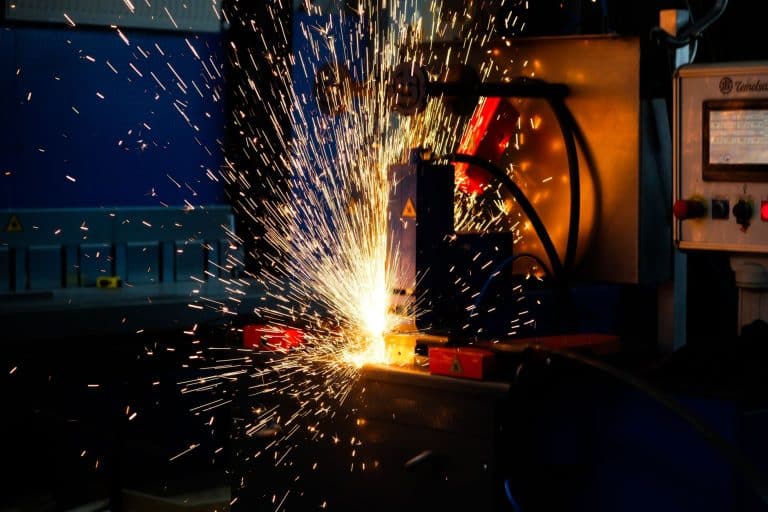
Grinding stations throw fine abrasive dust. Milling and turning centres throw hot metal chips, some still warm enough to melt a light fabric on contact. Welding cells add spatter and fume. Nearby presses and conveyors add their own dust load to a shared bay, and a long line needs its own approach, described in our conveyor cover guide. None of this is exceptional. It forms the normal background of an active production floor. It lands on every open surface within reach, including the machine standing next to the one that produced it.
The moving parts of a machine pay the price. A slideway, a ballscrew, an open bearing housing, a linear guide: each mechanism needs to move smoothly. Each is exactly where dust and grit do the most damage once they get in. A cover for this exposure is not decorative. It stands as a barrier between a contamination source that never stops and a mechanism that cannot tolerate it.
Production exposure is continuous, not occasional
An outdoor cover deals with a storm, then a dry spell. A shop floor cover deals with a contamination source that runs on the same schedule as the machine it protects. No calm period ever arrives to recover in. That changes the specification. The cover has to keep working shift after shift, without coming off for cleaning or checks. It has to seal at the points where a machine actually moves, not just where it sits still.
What actually gets into a machine in production
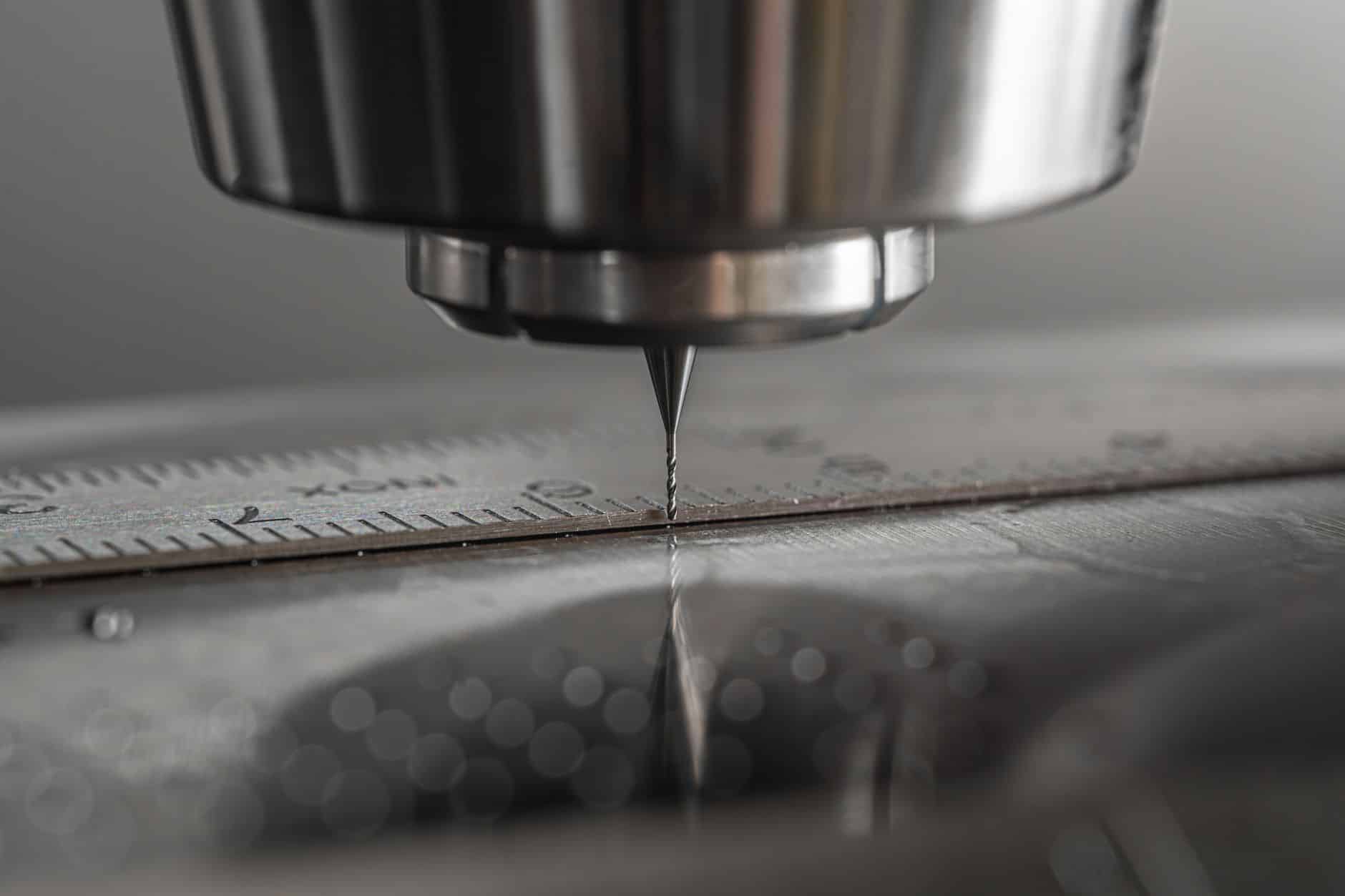
Four contaminants account for most of what damages a machine in production. Each one behaves differently once it reaches an unprotected part. Treating them as one problem, “dust,” misses why a cover fails or holds.
- Fine dust from grinding, sanding and cutting: stays airborne for minutes, settles on every horizontal surface and enters through any gap.
- Hot metal chips: travel with force and heat in a direct line from the cutting tool, and scorch or puncture fabric not rated for them.
- Oil mist from lubrication and hydraulic systems: coats rather than lands, and turns into an abrasive paste once mixed with dust.
- Abrasive particles from a neighbouring process or a shared building system: act as a lapping compound wherever two surfaces slide.
Fine dust from grinding, sanding and cutting is the most persistent contaminant. It stays airborne for minutes. It settles on every horizontal surface within reach and works its way into any gap a cover leaves open. Getting in takes no force, only time and an opening.
Hot metal chips behave the opposite way. They travel with force, in a direct line from the cutting tool, and they carry heat. A cover fabric rated for ambient dust, but not for a hot chip, will scorch, glaze or puncture. That happens at the exact point where chips land most often. That point is usually a fixed, predictable zone around the tool path.
Oil mist from lubrication and hydraulic systems adds a third mode. It does not just land, it coats. A film of oil mixed with dust turns into an abrasive paste on any surface it settles on. That includes inside a cover that seals against solid particles but not vapour.
Abrasive particles form the fourth mode. The source varies: metallic grit from a neighbouring process, or mineral dust from a shared building system. They do the most long-term damage to moving parts specifically. They act like a fine lapping compound wherever two surfaces slide against each other.
Why bearings and slideways take the damage first
A sealed electrical cabinet tolerates a light dust film for a long time. An open slideway or an exposed bearing housing cannot. The same motion that makes the mechanism useful also grinds any trapped particle into the contact surface. Reliability engineering studies across several industries link as much as 80% of bearing failures to particle contamination, ahead of fatigue, misalignment or lubricant breakdown on their own. A machine dust cover that seals moving joints, not just the flat panels, addresses the failure mode the data actually points to.
Where contamination gets in, and what it costs in downtime
Contamination rarely gets in through the fabric itself on a properly built cover. It gets in through the gaps a generic cover leaves at the points a machine moves: an access panel that opens several times a shift, a cable or hose pass-through, a spindle boot, a control cabinet door. A catalogue cover cut to a generic silhouette gaps at every one of those points. Nobody measured it against them.
The cost shows up later, and it shows up as time, not as a single failed part. A slideway that starts to bind adds friction and wear long before it fails outright. A bearing running gritty adds heat and noise for weeks before it seizes. By the time either becomes an unplanned stop, cleaning, inspection and often a replacement part already sit on the schedule, on top of the stop itself.
A machine that keeps running deserves a cover built for that
Tell us what surrounds the machine, which parts move, and what the neighbouring process throws off. We size the fabric and the sealing points around that exposure, not around a shelf catalogue.
Discuss your production floor →Dust cover fabric and fit for a production environment
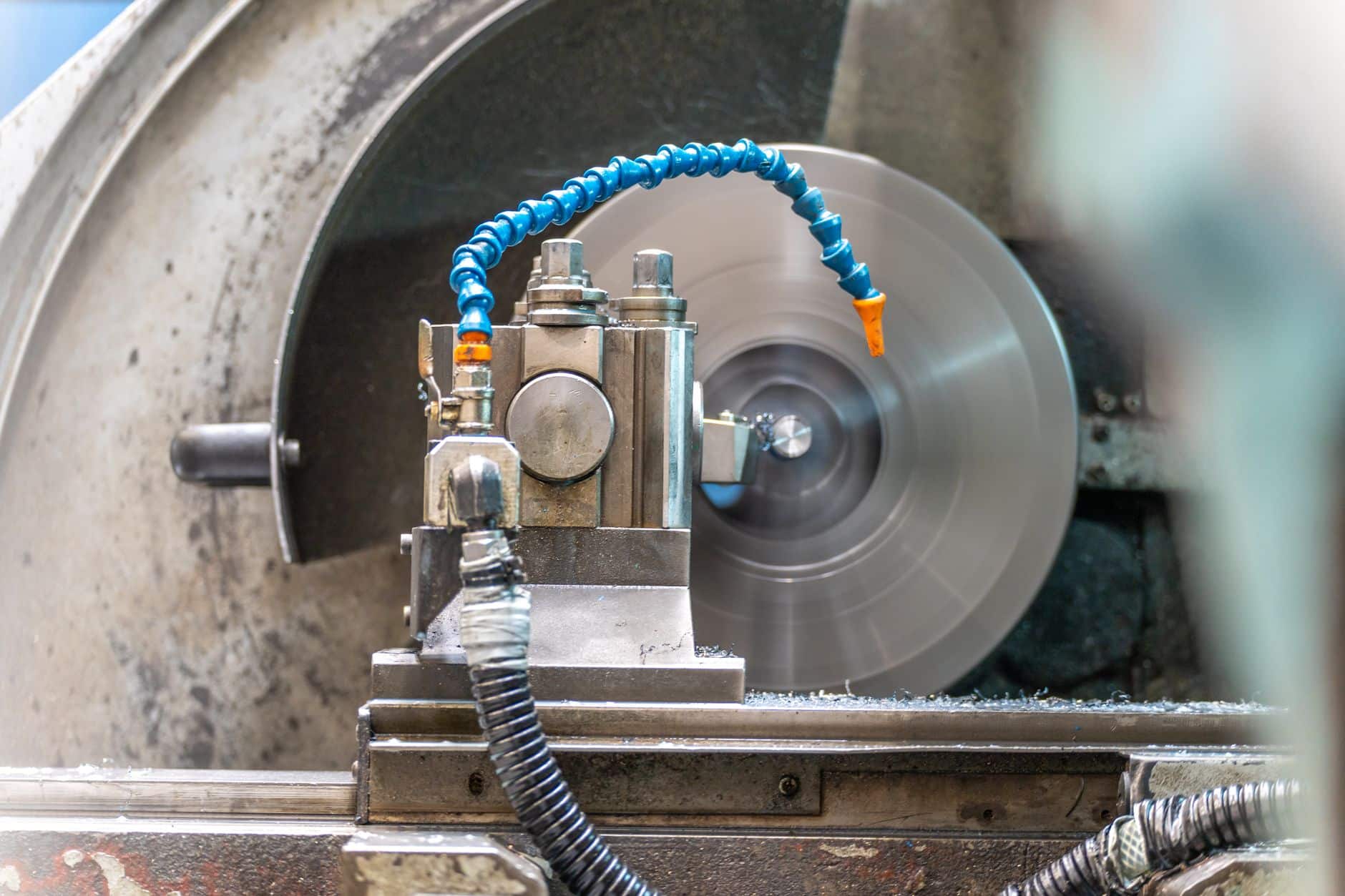
A shop floor cover needs three things a generic tarp rarely combines. Resistance to heat contact from chips comes first. A weave tight enough to stop fine dust rather than filter it comes second. Closures that hold shape through repeated opening for access during a shift come third.
A heavy-duty, tightly woven base fabric handles the fine dust load. A light fabric lets particles pass straight through the weave under airflow from nearby fans or extraction systems. Where chips fly directly, a reinforced or heat-resistant panel at that exact zone stops the scorch and puncture damage a standard cover takes at the same spot, time after time. Where oil mist is present, a fabric with an oil-resistant finish keeps the surface clean instead of soaking into an abrasive film.
Fit matters as much as fabric on a production machine, because access points cannot stay sealed shut. Panels need to open and close cleanly at inspection doors. Cable routes need a proper grommet instead of an open slit. A hem needs to stay put through daily handling. Those details decide whether the cover still seals after the two-hundredth opening, not just the first.
How production layout changes the exposure
The same machine model faces a different exposure depending on where it sits on the floor. A machine against a wall, away from any grinding, welding or cutting station, mostly deals with general ambient dust that settles slowly and evenly. One placed directly downstream of one of those processes, or sharing a bay with several, faces a concentrated, directional contamination load instead. No generic cover comes sized for that load. Distance and airflow between the source and the machine matter as much as the process itself.
Extraction and ventilation systems reduce the load without removing it. A dust collector pulling air away from a grinding wheel captures most of the coarse particle stream. The finest fraction stays airborne long enough to travel across an open bay and settle elsewhere. Fitting a cover does not compete with extraction. It catches what extraction misses, on the machine closest to the source.
Shift pattern adds a second variable that a storage or outdoor cover never has to account for. A machine running three shifts takes the same daily contamination load as one running a single shift. That load compresses into far less downtime between exposures, with far less chance for a manual clean. The specification has to assume the exposure keeps happening while nobody can intervene. No quiet period ever shows up to reset the surface.
One machine, several contaminants at once
A single machine rarely faces just one contaminant type in isolation. A turning centre next to a grinding station takes fine abrasive dust from the neighbour and its own hot chips from the tool path, on the same exposed frame. Specifying a cover for the dominant contaminant alone, and ignoring the quieter second one, is the most common reason a cover underperforms once in service. The fix is not a heavier fabric everywhere. It is matching each zone of the cover to what actually reaches it.
Standard shop covering versus a cover built for the contamination
| Need | Generic shop tarp or catalogue cover | Cover built for the production exposure |
|---|---|---|
| Fine dust ingress | Loose weave and open gaps let dust settle inside | Tight weave sealed at every access point and moving joint |
| Hot metal chips | Standard fabric scorches or punctures on contact | Reinforced panel placed at the known chip trajectory |
| Oil mist | Plain fabric absorbs mist into an abrasive film | Oil-resistant finish keeps the surface clean |
| Daily access | Whole cover removed and refitted, seals wear fast | Dedicated panels open and reseal without disturbing the fit |
| Fit over time | One shape for every machine of similar size | Pattern kept on file, replacement matches exactly |
What a machine dust cover looks like on real production machines
A grinding line feeding dust onto a neighbouring machine
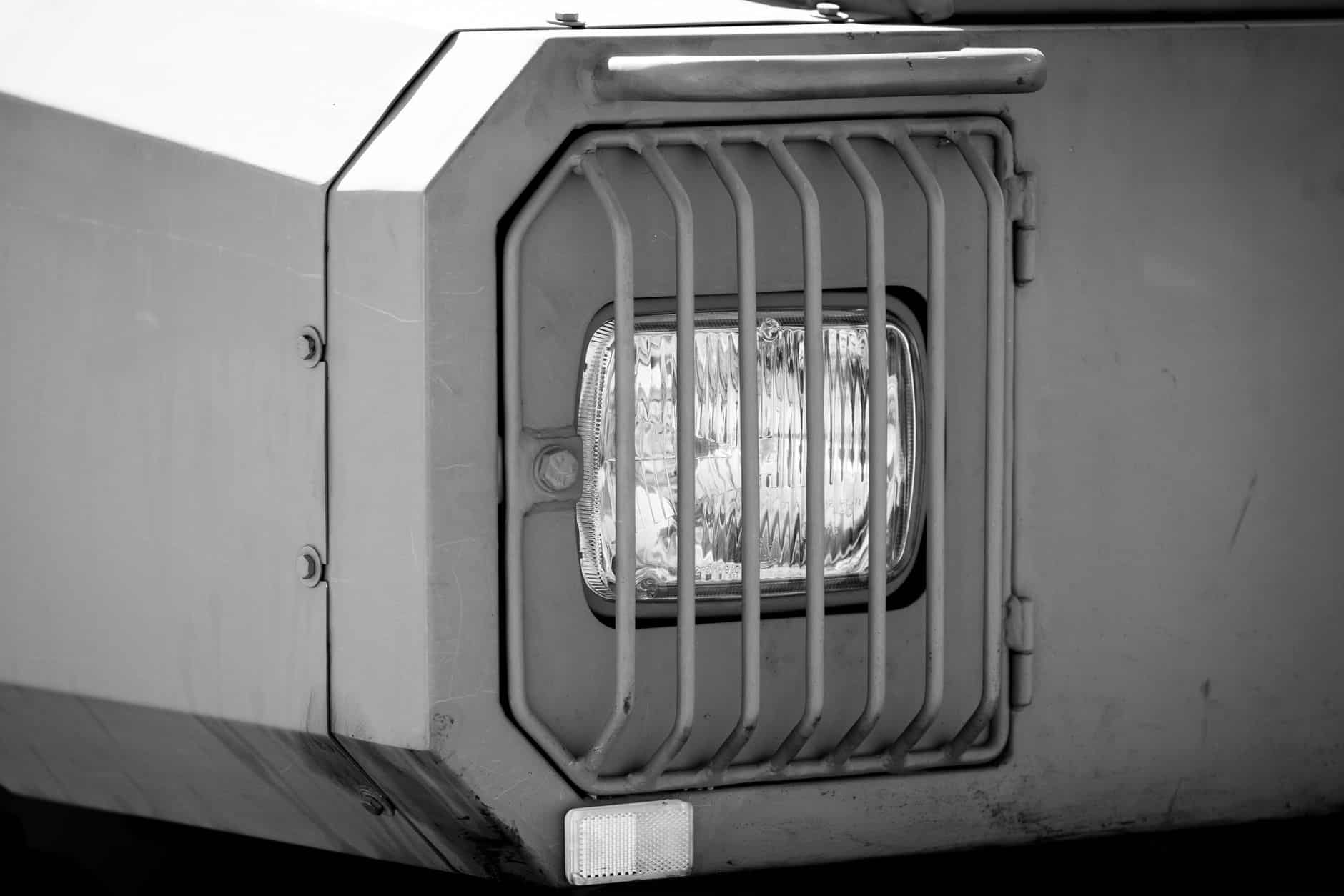
A metalworking subcontractor ran a precision machine directly downstream of a grinding station, with no wall between the two. Fine abrasive dust settled on the slideways every shift. The machine needed a full clean and lubrication check roughly every two weeks to stay within tolerance. We fitted a tight-woven cover, sealed at every slideway and access panel, with a hinged section over the control cabinet for daily checks. Over the following three months, the cleaning interval stretched from two weeks to six. Inspection showed no measurable increase in slideway wear.
A CNC turning centre catching chips from its own tool path
An automotive supplier’s turning centre threw hot chips onto an exposed section of its own guideway during every cycle. The machine’s standard splash guard had already needed two tape patches. We fitted a reinforced panel matched to the chip trajectory, tested against direct chip contact before delivery, alongside a resealable dust cover on the rest of the exposed frame. Twelve months on, the guideway section shows no scorch damage and has needed no repair, against roughly one patch repair every two months beforehand.
Dust, chips or oil mist landing on a machine right now?
Request a free assessment →Specifying a dust cover for a machine in production
Five points decide the specification. The machine’s brand or size is not one of them on its own. Contaminant type comes first: fine dust, hot chips, oil mist or abrasive grit, often more than one at once. Source direction matters too: where the contamination comes from relative to the machine decides which face and which panel needs reinforcing. Access frequency drives how the panels and closures get designed: how often an operator opens the cover during a shift. Moving parts decide where sealing matters most: which slideways, bearings or joints stay exposed while the machine runs, since those points fail first if a generic cut leaves a gap. Then come the machine’s own dimensions and awkward points, from control cabinets to cable routes, measured the same way as a warehouse or an outdoor installation.
Send those five points with the machine’s dimensions. Our guide on how to measure and specify an industrial machine sets out exactly which dimensions to record and how. We return a cover built around the contamination the machine actually faces, not a generic shop size. Our guide on custom equipment covers for industrial machines covers the full method, from first assessment to finished cover. The same logic that keeps rain and condensation out of a machine stored outdoors applies here, adapted to what a running process throws off instead of what the weather does. Our technical glossary defines the fabric and closure terms used above.
FAQ
The basics
A machine dust cover is a protective cover built to keep dust, chips, oil mist and abrasive particles off a machine while it keeps running in production, sealed at the joints and access points where a generic cover would leave a gap.
Yes. An outdoor cover manages sun, rain and condensation on a machine that sits outside. A shop floor dust cover manages a continuous contamination source generated by the production process itself, and has to stay sealed while the machine keeps moving.
Only briefly. A generic tarp is not sealed at access panels, cable routes or moving joints, so dust and grit get in exactly where the machine needs protection most, and a standard fabric scorches or punctures on contact with hot metal chips.
What gets in, and what it damages
Because the same motion that makes a slideway or bearing useful also grinds any trapped particle into the contact surface. Reliability studies put particle contamination behind as much as 80% of bearing failures across several industries.
Oil mist coats surfaces rather than just settling on them. Mixed with dust, it forms an abrasive film that a plain fabric absorbs instead of shedding, so a dust cover for a machine near hydraulic or lubrication equipment needs an oil-resistant finish.
Yes. A cover fabric rated only for ambient dust will scorch, glaze or puncture where hot chips land, which is usually a fixed zone around the tool path. That zone needs a reinforced or heat-resistant panel rather than the same fabric as the rest of the cover.
Choosing and fitting a cover
The type of contaminant, the direction it comes from relative to the machine, how often the machine needs to be accessed during a shift, which moving parts stay exposed, and the machine’s dimensions and awkward points such as cabinets and cable routes.
Yes, when it is designed for that from the start. Dedicated panels at inspection doors and control cabinets open and reseal without disturbing the fit of the rest of the cover, unlike a single-piece cover that has to be fully removed and refitted.
It reduces the contamination load that reaches the machine in the first place, which typically lengthens the interval between cleaning and lubrication checks. It does not remove the need for maintenance, only the frequency driven by airborne contamination.
In Summary
A machine in production faces a contamination source that never takes a break. Fine dust, hot chips, oil mist and abrasive particles come continuously from the process it is part of. Bearings and slideways take the damage first. Particle contamination sits behind as much as 80% of bearing failures industry-wide. A cover built for that exposure seals at the moving joints and access points a generic tarp always gaps at. It stays sealed through daily use rather than a single season.
For a machine that spends its life outside instead of on a busy floor, the exposure and the cover both change. See our guide to outdoor equipment covers for industrial machines. Our guide to custom equipment covers for industrial machines covers the full method for protecting any machine, indoors or out. Fabric choice plays out somewhat differently on the robot side; our overview of protective cover materials covers that ground.
Is dust, chips or oil mist shortening a machine’s service life?
Send us the machine, what surrounds it, and how often it needs opening for access. We come back with a shop floor cover specification built around that, at no cost.
Request a free assessment →Browse the full range of protective covers by sector or see the machine cover programme on our home page.