
News
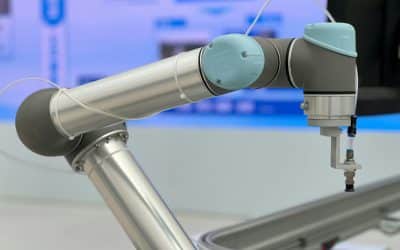
Industrial Robot Spare Parts and Component Replacement
Which robot components fail first, when to repair vs replace, what to stock, and how to cut spare parts consumption at the source.
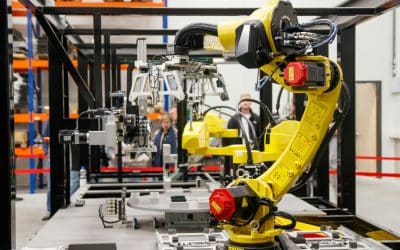
Robot Maintenance by Brand: Fanuc, ABB and KUKA
Fanuc robot maintenance runs on operating hours, ABB on model manuals, KUKA on packages. What changes by brand, and what never does.
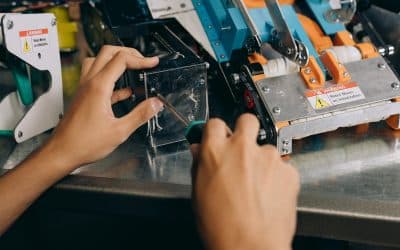
Industrial Robot Servicing: In-House, OEM or Outsourced?
Industrial robot servicing compared: in-house teams, OEM contracts, and outsourced providers. What each model covers, real costs, and how to choose. Free audit.
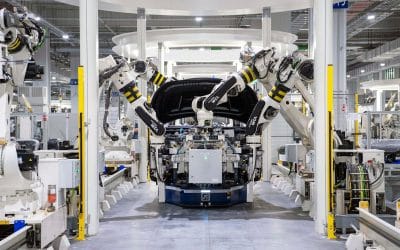
How to Reduce Maintenance Costs in Industrial Automation
Why maintenance cost keeps climbing, and what you can do about it For most manufacturing plants running industrial robots, maintenance cost is the single largest controllable expense after energy. However, many operations still treat it as a fixed line item rather...
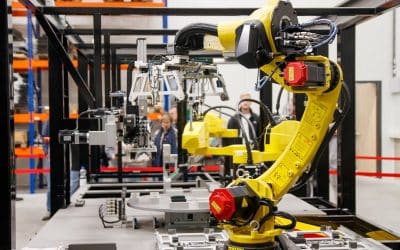
When Does an Industrial Robot Need Service? Understanding Robot Needs and Intervals
How often do robots need servicing? Essentially, the answer depends on the application, the environment and how many hours the unit runs each day. However, one thing is consistent across every brand and sector: missing a service interval costs far more than keeping...
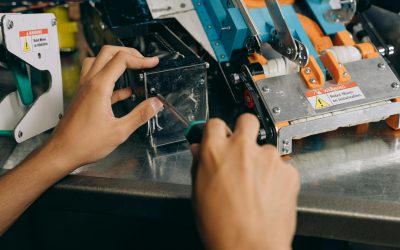
Robot maintenance checklist for industrial applications
Most factories run their robots hard, but maintain them loosely. Without proper maintenance, a single missed inspection leads to cable wear, then servo failure, then a full production stop. Robot downtime costs between $10,000 and $50,000 per hour in lost output,...
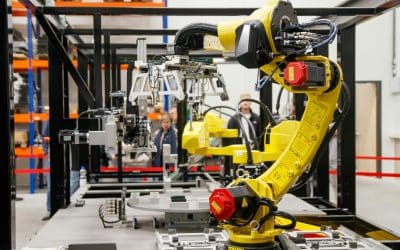
Preventive maintenance for industrial robots
A single unplanned breakdown on a production line can cost tens of thousands of euros in lost output and emergency labour. Yet many facilities still operate on a "fix it when it fails" basis, exposing their robotic systems to risks that compound over time. A proactive...
How Much Does Industrial Robot Maintenance Cost?
How much does industrial robot maintenance cost? Industrial robot maintenance typically costs 5% to 15% of the robot’s purchase price per year. For a €100,000 robot, that is roughly €5,000 to €15,000 annually, covering preventive service, spare...
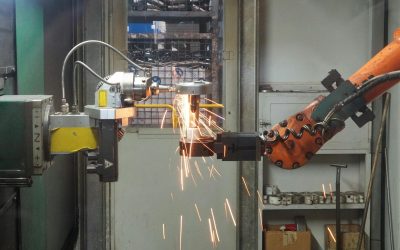
Industrial Robot Repair: Common Issues and How to Avoid Costly Breakdowns
An industrial robot that stops mid-cycle does not just delay one task — it halts an entire production line. Emergency repair calls, express-shipped spare parts, and idle operators add up fast. For many factories, a single unplanned downtime event on a Fanuc, ABB, or...
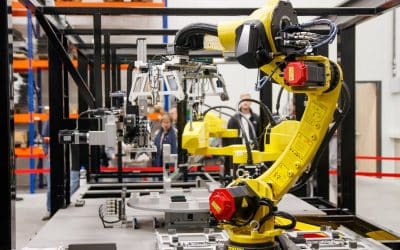
Industrial robot maintenance: complete guide to performance
What is industrial robot maintenance? Industrial robot maintenance is the scheduled inspection, lubrication, calibration and part replacement that keeps a robot accurate, safe and productive. It combines preventive maintenance (planned, interval-based), corrective...